
13
2025
-
01
Exploring Different Sizes and Capacities of Stainless Steel Mixing Vessels: A Comprehensive Guide
Exploring Different Sizes and Capacities of Stainless Steel Mixing Vessels
Table of Contents
- 1. Introduction to Stainless Steel Mixing Vessels
- 2. Importance of Choosing the Right Size and Capacity
- 3. Types of Stainless Steel Mixing Vessels
- 4. Different Sizes of Stainless Steel Mixing Vessels
- 5. Understanding Capacities of Mixing Vessels
- 6. Applications of Stainless Steel Mixing Vessels
- 7. Maintenance and Care for Mixing Vessels
- 8. Frequently Asked Questions
- 9. Conclusion
1. Introduction to Stainless Steel Mixing Vessels
Stainless steel mixing vessels are essential components across various industries, from food production to pharmaceuticals. These versatile vessels are designed for mixing, blending, and processing a wide array of materials, ensuring quality and consistency in your products. With their durability and resistance to corrosion, stainless steel vessels provide a reliable solution for both small-scale and large-scale operations. In this article, we will explore the different sizes and capacities available, helping you make the best choice for your specific needs.
2. Importance of Choosing the Right Size and Capacity
Choosing the appropriate size and capacity of a stainless steel mixing vessel is critical for efficiency, cost-effectiveness, and product quality. Selecting a vessel that is too small can lead to inadequate mixing, while an oversized vessel may waste resources and space. Understanding your specific requirements, including the volume of materials being processed and the mixing methods employed, is essential for making an informed decision. This section will delve into the factors influencing your choice of size and capacity.
Factors to Consider When Choosing Size and Capacity
1. **Volume of Materials**: Assess the volume of materials you need to mix and choose a vessel that can accommodate this without overflowing.
2. **Mixing Time**: Different materials may require varying mixing times; ensure your vessel can handle the necessary duration effectively.
3. **Batch Size**: Consider whether you will be working with small batches or large batches, as this will significantly influence your selection.
4. **Type of Material**: The consistency and viscosity of the materials you plan to mix may dictate the required vessel size.
3. Types of Stainless Steel Mixing Vessels
Various types of stainless steel mixing vessels are available to suit different applications. Understanding these types can help you select the best vessel for your needs.
3.1. Open Top Mixing Vessels
Open-top vessels are designed for easy access during the mixing process. These are ideal for applications that require frequent monitoring and ingredient additions.
3.2. Closed Mixing Vessels
Closed vessels provide a sealed environment, which is beneficial for mixing volatile substances or maintaining temperature control.
3.3. Jacketed Mixing Vessels
Jacketed vessels feature an outer layer that allows for temperature control during mixing. This is particularly useful in chemical processes requiring heating or cooling.
3.4. Magnetic Mixer Vessels
Magnetic mixer vessels utilize magnetic stirring technology, ensuring efficient mixing without the need for mechanical agitation.
4. Different Sizes of Stainless Steel Mixing Vessels
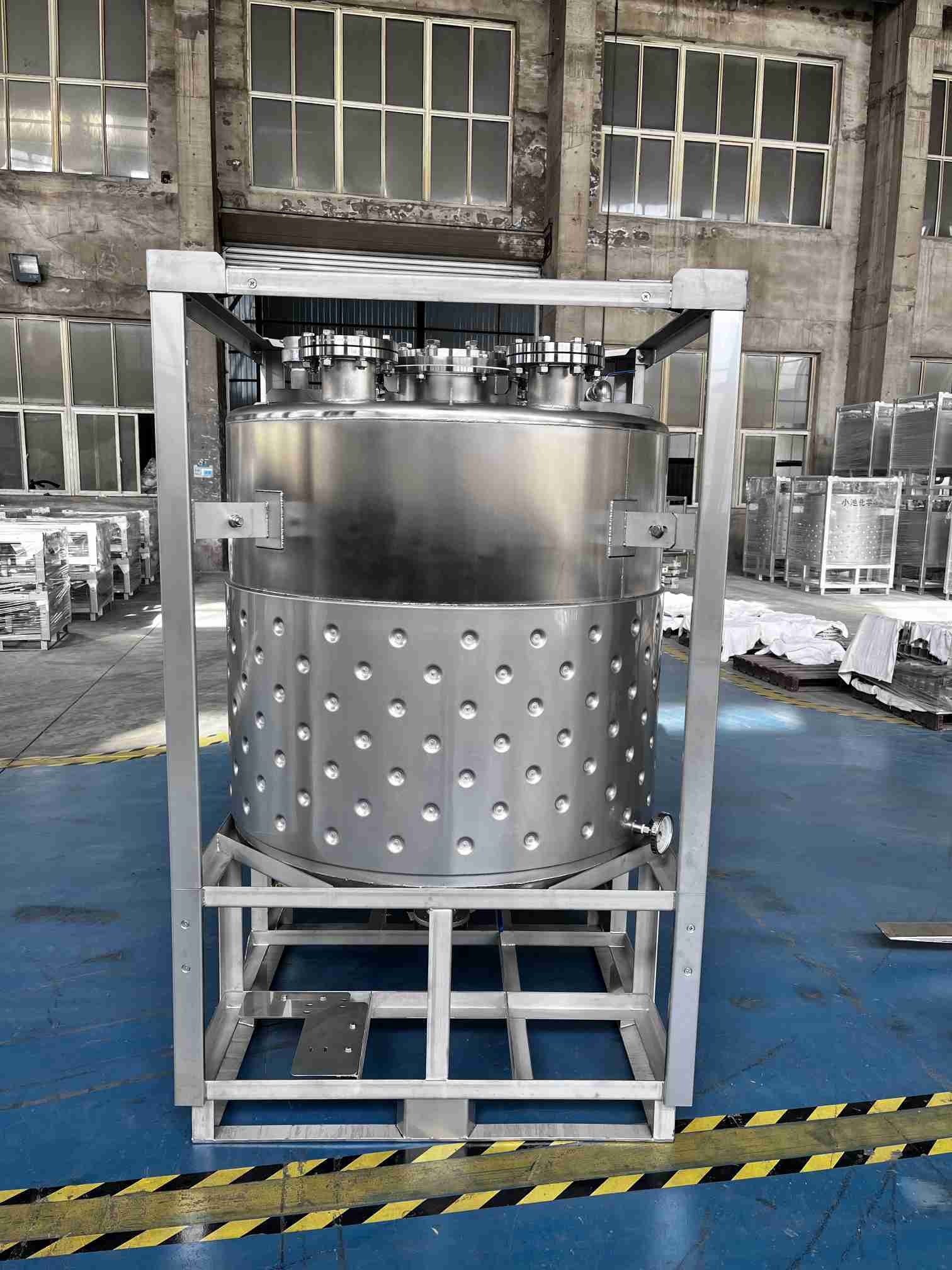
Stainless steel mixing vessels come in various sizes, from small laboratory units to large industrial tanks. Understanding these sizes is vital for selecting the right vessel for your application.
4.1. Small-Scale Mixing Vessels
Small-scale mixing vessels typically range from 1 to 50 gallons. These vessels are ideal for pilot testing, research and development, or small batch production. They offer excellent flexibility for experimentation with different formulations.
4.2. Medium-Sized Mixing Vessels
Medium-sized vessels range from 50 to 500 gallons. These are often used in mid-sized production facilities where batch sizes are more substantial but still manageable.
4.3. Large Mixing Vessels
Large mixing vessels can hold over 500 gallons and are designed for high-capacity industrial applications. These vessels are essential for large-scale production lines where efficiency and continuity are paramount.
5. Understanding Capacities of Mixing Vessels
The capacity of a stainless steel mixing vessel is crucial in determining its suitability for your operation. Here we break down capacities into practical metrics.
5.1. Batch Capacity vs. Working Capacity
Batch capacity refers to the maximum volume a vessel can hold, while working capacity considers the volume of material that can be mixed effectively without overflowing.
5.2. Calculating Capacity Needs
To calculate the capacity needed for your process, take into account the total volume of ingredients and any additional space required for mixing.
6. Applications of Stainless Steel Mixing Vessels
Stainless steel mixing vessels are utilized in numerous sectors, each requiring specific features and capacities.
6.1. Food Industry
In the food industry, these vessels are commonly used for mixing ingredients, sauces, and beverages. Their hygienic properties and resistance to corrosion make them a preferred choice.
6.2. Pharmaceutical Industry
Pharmaceutical companies rely on stainless steel mixing vessels to ensure the precise blending of active ingredients and excipients in drug production.
6.3. Chemical Manufacturing
The chemical industry utilizes these vessels for mixing reagents, solvents, and other materials, benefiting from their ability to withstand harsh chemicals.
7. Maintenance and Care for Mixing Vessels
Proper maintenance of stainless steel mixing vessels is crucial for longevity and optimal performance.
7.1. Regular Cleaning
It’s essential to clean your mixing vessels regularly to prevent contamination. Use suitable cleaning agents that won’t damage the stainless steel.
7.2. Inspection and Repair
Routine inspections should be carried out to identify any signs of wear or damage, allowing timely repairs to maintain functionality.
8. Frequently Asked Questions
8.1. What are the advantages of using stainless steel mixing vessels?
Stainless steel mixing vessels offer durability, resistance to corrosion, and ease of cleaning, making them ideal for various applications.
8.2. How do I choose the right size vessel for my needs?
Consider your batch size, volume of materials, and mixing requirements when selecting the appropriate vessel size.
8.3. Can stainless steel mixing vessels be customized?
Yes, many manufacturers offer customization options to meet specific industry requirements.
8.4. What maintenance is required for mixing vessels?
Regular cleaning, inspection for wear, and prompt repairs are essential for maintaining stainless steel mixing vessels.
8.5. How do jacketed mixing vessels work?
Jacketed mixing vessels incorporate an outer layer through which heating or cooling fluids circulate, allowing precise temperature control during mixing.
9. Conclusion
In conclusion, selecting the right size and capacity of stainless steel mixing vessels is pivotal for optimizing your production processes. By understanding the various types and their applications, you can make informed decisions that enhance efficiency and product quality. Proper maintenance ensures longevity and performance, making these vessels a valuable asset in any industrial setting. Exploring the options available will ultimately lead to enhanced productivity and satisfaction in your operations.
Keyword:
stainless steel mixing vessel
RELATED NEWS

undefined

Rm 102 No.5 Hongya Street Ganjingzi District,Dalian,Liaoning Province,China
LEAVE A MESSAGE


