
23
2023
-
12
How Stainless Steel Intermediate Bulk Containers Improve Packaging Efficiency
Table of Contents:
1. Introduction
2. What are Stainless Steel Intermediate Bulk Containers?
3. Benefits of Stainless Steel IBCs
- Enhanced Durability and Longevity
- Improved Product Protection
- Efficient Space Utilization
- Simplified Cleaning and Maintenance
- Eco-Friendly Packaging Solution
4. Streamlining Packaging Processes
- Optimized Filling and Dispensing
- Efficient Handling and Transport
- Integration with Automated Systems
5. Reducing Packaging Waste
- Minimizing Product Loss and Contamination
- Eliminating Single-Use Packaging
- Recycling and Reusability
6. Enhancing Storage and Transportation
- Space-Saving Design
- Stackability and Nestability
- Compatibility with Various Modes of Transport
7. Innovative Features of Stainless Steel IBCs
- UN/DOT Certification
- Aseptic and Hygienic Design
- Customizable Options
8. Frequently Asked Questions (FAQs)
- FAQ 1: Can stainless steel IBCs be used for hazardous materials?
- FAQ 2: What is the expected lifespan of a stainless steel IBC?
- FAQ 3: Are stainless steel IBCs suitable for food and pharmaceutical industries?
- FAQ 4: Can stainless steel IBCs be easily cleaned and sanitized?
- FAQ 5: How do stainless steel IBCs contribute to sustainability?
9. Conclusion
Packaging efficiency plays a crucial role in various industries, including the packaging and printing sector. To optimize packaging processes, reduce waste, and enhance productivity, many businesses are turning to stainless steel intermediate bulk containers (IBCs). These robust containers offer a range of advantages that significantly improve packaging efficiency.
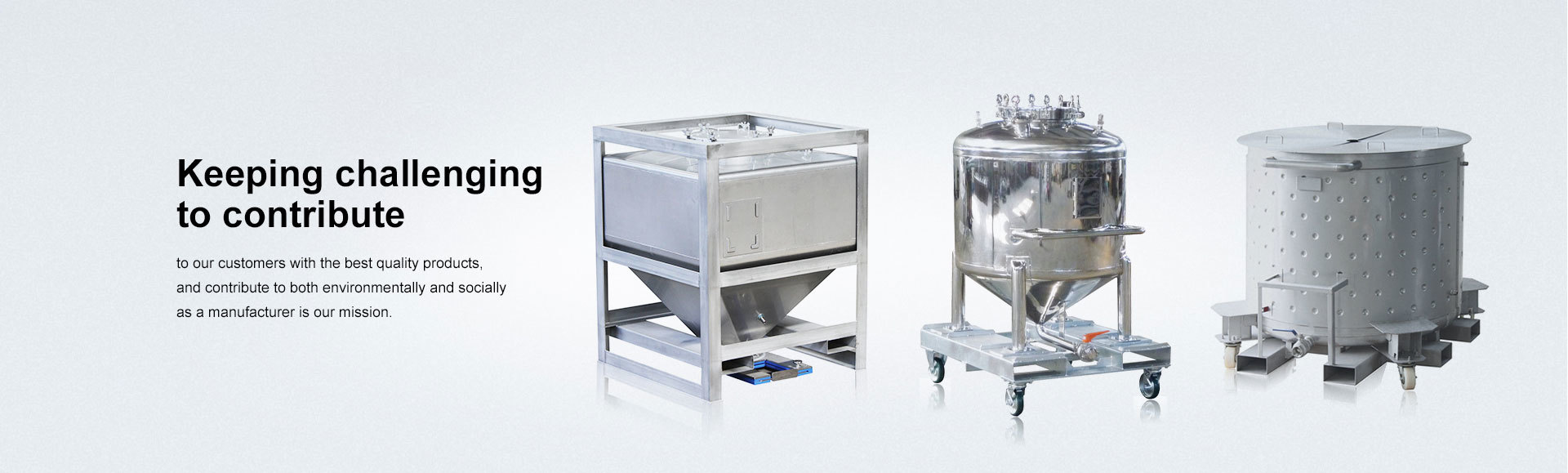
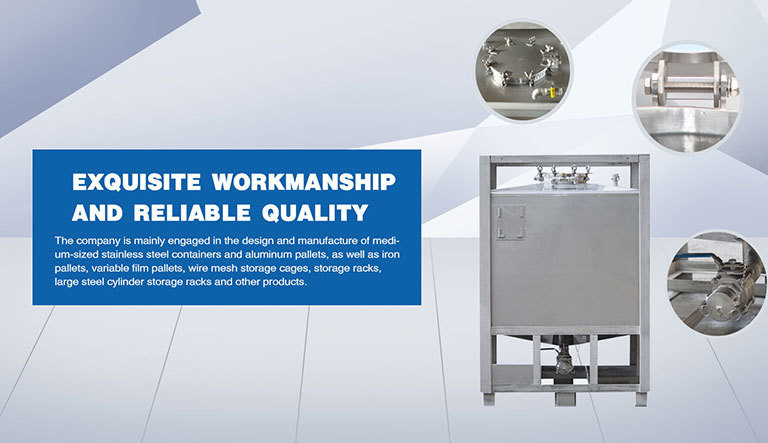
Stainless steel intermediate bulk containers, also known as stainless steel IBCs, are large, reusable containers designed for the storage, transportation, and dispensing of various liquid and solid materials. Made from durable stainless steel, these containers provide a reliable and long-lasting solution for packaging needs.
Stainless steel IBCs offer numerous benefits that make them an excellent choice for improving packaging efficiency.
Stainless steel IBCs are built to withstand demanding environments and heavy-duty usage. Their robust construction ensures exceptional durability and longevity, allowing them to endure frequent handling, stacking, and transportation without compromising their integrity.
With their sturdy design and superior material properties, stainless steel IBCs provide excellent protection for packaged goods. They prevent contamination, moisture ingress, and damage from external factors, ensuring that the products remain intact and in optimal condition throughout the packaging and transportation processes.
Stainless steel IBCs are designed to maximize space utilization. Their standardized dimensions allow for efficient stacking and nesting, optimizing storage capacity in warehouses and during transportation. This feature helps businesses save valuable space and reduce logistics costs.
Maintaining cleanliness is essential in packaging operations, especially in industries where hygiene is critical, such as food and pharmaceuticals. Stainless steel IBCs are easy to clean and sanitize due to their smooth surfaces and corrosion-resistant properties. This simplifies maintenance procedures and ensures compliance with stringent regulatory standards.
In an era of increased focus on sustainability, stainless steel IBCs offer an environmentally friendly packaging solution. By eliminating the need for single-use packaging materials, businesses can significantly reduce waste generation and minimize their environmental footprint.
Stainless steel IBCs contribute to streamlining packaging processes, optimizing efficiency, and reducing labor costs.
The design of stainless steel IBCs enables seamless filling and dispensing operations. They often feature convenient openings, valves, and fittings that allow for efficient and controlled pouring or extraction of materials. This eliminates the need for additional equipment or complex procedures, saving time and ensuring accurate measurements.
Stainless steel IBCs are engineered for easy handling and transportation. Their robust construction, combined with lifting and handling features such as forklift pockets and integrated handles, facilitates smooth and safe movement. This reduces the risk of accidents, minimizes product damage, and enhances overall operational efficiency.
As automation continues to revolutionize industries, stainless steel IBCs can seamlessly integrate into automated packaging systems. Their standardized dimensions, compatible fittings, and ability to withstand mechanical stress make them ideal for automated filling, conveying, and palletizing processes. This integration leads to increased productivity, reduced manual labor, and improved consistency in packaging operations.
Stainless steel IBCs play a significant role in reducing packaging waste, making them a sustainable choice for businesses.
Packaging materials that are prone to leakage or breakage can result in product loss and contamination. Stainless steel IBCs offer a reliable and leak-proof solution, minimizing the risk of spills, leaks, and subsequent product loss. This ensures the integrity of packaged goods and reduces waste during transportation and storage.
Single-use packaging materials contribute to significant waste generation. By switching to stainless steel IBCs, businesses can eliminate the need for disposable packaging, reducing waste and promoting a more sustainable packaging approach. Stainless steel IBCs can be reused multiple times, making them an eco-friendly alternative.
Stainless steel IBCs are highly recyclable due to the inherent properties of stainless steel. At the end of their lifespan, these containers can be recycled, contributing to a circular economy. Furthermore, their reusability reduces the demand for new packaging materials, conserving natural resources and reducing overall environmental impact.
Stainless steel IBCs offer practical features that enhance storage and transportation efficiency.
Stainless steel IBCs are designed with space-saving considerations in mind. Their standardized dimensions allow for efficient stacking, optimizing warehouse space utilization. This design feature is particularly beneficial for businesses dealing with limited storage capacity.
Stainless steel IBCs often feature stackable and nestable designs. When empty, these containers can be nested together, significantly reducing the space they occupy during storage or return transportation. This nesting capability minimizes logistics costs and enhances operational efficiency.
Stainless steel IBCs are compatible with various modes of transportation, including road, rail, and sea. Their robust construction and compliance with international regulations, such as UN/DOT certification for hazardous materials, ensure safe and secure transportation of goods across different supply chain networks.
Stainless steel IBCs incorporate innovative features that further enhance their functionality and versatility.
For businesses dealing with hazardous materials, stainless steel IBCs with UN/DOT certification provide peace of mind. These containers are rigorously tested and approved for the safe transportation of hazardous substances, ensuring compliance with international regulations.
Stainless steel IBCs can be designed with aseptic and hygienic features, making them suitable for industries with stringent cleanliness requirements, such as the food and pharmaceutical sectors. Special finishes and smooth welds prevent bacterial growth and facilitate thorough cleaning, maintaining the integrity of the packaged products.
To meet specific packaging needs, stainless steel IBCs offer customizable options. These include variations in size, capacity, and additional features such as heating or cooling jackets. Customization ensures that businesses can tailor the containers to their exact requirements, optimizing efficiency and performance.
Yes, stainless steel IBCs can be used for the safe storage and transportation of hazardous materials. They are available with UN/DOT certification, ensuring compliance with relevant regulations and providing secure containment for dangerous substances.
Stainless steel IBCs have a long lifespan, typically ranging from 10 to 30 years, depending on usage and maintenance. Their durability and resistance to corrosion contribute to their extended lifespan, making them a cost-effective investment in the long run.
Yes, stainless steel IBCs are highly suitable for the food and pharmaceutical industries. They can be designed with aseptic and hygienic features, ensuring compliance with cleanliness requirements and maintaining the quality and safety of sensitive products.
Yes, stainless steel IBCs are designed for easy cleaning and sanitization. Their smooth surfaces and corrosion-resistant properties allow for thorough cleaning procedures, preventing the buildup of contaminants and ensuring product integrity.
Stainless steel IBCs contribute to sustainability by eliminating the need for single-use packaging materials. Their reusability and recyclability reduce waste generation, conserve resources, and promote a circular economy, making them an environmentally friendly packaging solution.
Stainless steel intermediate bulk containers offer significant advantages in improving packaging efficiency. Their enhanced durability, improved product protection, efficient space utilization, simplified cleaning and maintenance, and eco-friendly nature make them a valuable asset for businesses. By streamlining packaging processes, reducing waste, and optimizing storage and transportation, stainless steel IBCs contribute to increased productivity, cost-effectiveness, and sustainability. Embracing these innovative containers can revolutionize packaging operations and help businesses stay ahead in the competitive market.
1. Introduction
2. What are Stainless Steel Intermediate Bulk Containers?
3. Benefits of Stainless Steel IBCs
- Enhanced Durability and Longevity
- Improved Product Protection
- Efficient Space Utilization
- Simplified Cleaning and Maintenance
- Eco-Friendly Packaging Solution
4. Streamlining Packaging Processes
- Optimized Filling and Dispensing
- Efficient Handling and Transport
- Integration with Automated Systems
5. Reducing Packaging Waste
- Minimizing Product Loss and Contamination
- Eliminating Single-Use Packaging
- Recycling and Reusability
6. Enhancing Storage and Transportation
- Space-Saving Design
- Stackability and Nestability
- Compatibility with Various Modes of Transport
7. Innovative Features of Stainless Steel IBCs
- UN/DOT Certification
- Aseptic and Hygienic Design
- Customizable Options
8. Frequently Asked Questions (FAQs)
- FAQ 1: Can stainless steel IBCs be used for hazardous materials?
- FAQ 2: What is the expected lifespan of a stainless steel IBC?
- FAQ 3: Are stainless steel IBCs suitable for food and pharmaceutical industries?
- FAQ 4: Can stainless steel IBCs be easily cleaned and sanitized?
- FAQ 5: How do stainless steel IBCs contribute to sustainability?
9. Conclusion
Introduction
Packaging efficiency plays a crucial role in various industries, including the packaging and printing sector. To optimize packaging processes, reduce waste, and enhance productivity, many businesses are turning to stainless steel intermediate bulk containers (IBCs). These robust containers offer a range of advantages that significantly improve packaging efficiency.
What are Stainless Steel Intermediate Bulk Containers?
Stainless steel intermediate bulk containers, also known as stainless steel IBCs, are large, reusable containers designed for the storage, transportation, and dispensing of various liquid and solid materials. Made from durable stainless steel, these containers provide a reliable and long-lasting solution for packaging needs.
Benefits of Stainless Steel IBCs
Stainless steel IBCs offer numerous benefits that make them an excellent choice for improving packaging efficiency.
Enhanced Durability and Longevity
Stainless steel IBCs are built to withstand demanding environments and heavy-duty usage. Their robust construction ensures exceptional durability and longevity, allowing them to endure frequent handling, stacking, and transportation without compromising their integrity.
Improved Product Protection
With their sturdy design and superior material properties, stainless steel IBCs provide excellent protection for packaged goods. They prevent contamination, moisture ingress, and damage from external factors, ensuring that the products remain intact and in optimal condition throughout the packaging and transportation processes.
Efficient Space Utilization
Stainless steel IBCs are designed to maximize space utilization. Their standardized dimensions allow for efficient stacking and nesting, optimizing storage capacity in warehouses and during transportation. This feature helps businesses save valuable space and reduce logistics costs.
Simplified Cleaning and Maintenance
Maintaining cleanliness is essential in packaging operations, especially in industries where hygiene is critical, such as food and pharmaceuticals. Stainless steel IBCs are easy to clean and sanitize due to their smooth surfaces and corrosion-resistant properties. This simplifies maintenance procedures and ensures compliance with stringent regulatory standards.
Eco-Friendly Packaging Solution
In an era of increased focus on sustainability, stainless steel IBCs offer an environmentally friendly packaging solution. By eliminating the need for single-use packaging materials, businesses can significantly reduce waste generation and minimize their environmental footprint.
Streamlining Packaging Processes
Stainless steel IBCs contribute to streamlining packaging processes, optimizing efficiency, and reducing labor costs.
Optimized Filling and Dispensing
The design of stainless steel IBCs enables seamless filling and dispensing operations. They often feature convenient openings, valves, and fittings that allow for efficient and controlled pouring or extraction of materials. This eliminates the need for additional equipment or complex procedures, saving time and ensuring accurate measurements.
Efficient Handling and Transport
Stainless steel IBCs are engineered for easy handling and transportation. Their robust construction, combined with lifting and handling features such as forklift pockets and integrated handles, facilitates smooth and safe movement. This reduces the risk of accidents, minimizes product damage, and enhances overall operational efficiency.
Integration with Automated Systems
As automation continues to revolutionize industries, stainless steel IBCs can seamlessly integrate into automated packaging systems. Their standardized dimensions, compatible fittings, and ability to withstand mechanical stress make them ideal for automated filling, conveying, and palletizing processes. This integration leads to increased productivity, reduced manual labor, and improved consistency in packaging operations.
Reducing Packaging Waste
Stainless steel IBCs play a significant role in reducing packaging waste, making them a sustainable choice for businesses.
Minimizing Product Loss and Contamination
Packaging materials that are prone to leakage or breakage can result in product loss and contamination. Stainless steel IBCs offer a reliable and leak-proof solution, minimizing the risk of spills, leaks, and subsequent product loss. This ensures the integrity of packaged goods and reduces waste during transportation and storage.
Eliminating Single-Use Packaging
Single-use packaging materials contribute to significant waste generation. By switching to stainless steel IBCs, businesses can eliminate the need for disposable packaging, reducing waste and promoting a more sustainable packaging approach. Stainless steel IBCs can be reused multiple times, making them an eco-friendly alternative.
Recycling and Reusability
Stainless steel IBCs are highly recyclable due to the inherent properties of stainless steel. At the end of their lifespan, these containers can be recycled, contributing to a circular economy. Furthermore, their reusability reduces the demand for new packaging materials, conserving natural resources and reducing overall environmental impact.
Enhancing Storage and Transportation
Stainless steel IBCs offer practical features that enhance storage and transportation efficiency.
Space-Saving Design
Stainless steel IBCs are designed with space-saving considerations in mind. Their standardized dimensions allow for efficient stacking, optimizing warehouse space utilization. This design feature is particularly beneficial for businesses dealing with limited storage capacity.
Stackability and Nestability
Stainless steel IBCs often feature stackable and nestable designs. When empty, these containers can be nested together, significantly reducing the space they occupy during storage or return transportation. This nesting capability minimizes logistics costs and enhances operational efficiency.
Compatibility with Various Modes of Transport
Stainless steel IBCs are compatible with various modes of transportation, including road, rail, and sea. Their robust construction and compliance with international regulations, such as UN/DOT certification for hazardous materials, ensure safe and secure transportation of goods across different supply chain networks.
Innovative Features of Stainless Steel IBCs
Stainless steel IBCs incorporate innovative features that further enhance their functionality and versatility.
UN/DOT Certification
For businesses dealing with hazardous materials, stainless steel IBCs with UN/DOT certification provide peace of mind. These containers are rigorously tested and approved for the safe transportation of hazardous substances, ensuring compliance with international regulations.
Aseptic and Hygienic Design
Stainless steel IBCs can be designed with aseptic and hygienic features, making them suitable for industries with stringent cleanliness requirements, such as the food and pharmaceutical sectors. Special finishes and smooth welds prevent bacterial growth and facilitate thorough cleaning, maintaining the integrity of the packaged products.
Customizable Options
To meet specific packaging needs, stainless steel IBCs offer customizable options. These include variations in size, capacity, and additional features such as heating or cooling jackets. Customization ensures that businesses can tailor the containers to their exact requirements, optimizing efficiency and performance.
Frequently Asked Questions (FAQs)
FAQ 1: Can stainless steel IBCs be used for hazardous materials?
Yes, stainless steel IBCs can be used for the safe storage and transportation of hazardous materials. They are available with UN/DOT certification, ensuring compliance with relevant regulations and providing secure containment for dangerous substances.
FAQ 2: What is the expected lifespan of a stainless steel IBC?
Stainless steel IBCs have a long lifespan, typically ranging from 10 to 30 years, depending on usage and maintenance. Their durability and resistance to corrosion contribute to their extended lifespan, making them a cost-effective investment in the long run.
FAQ 3: Are stainless steel IBCs suitable for food and pharmaceutical industries?
Yes, stainless steel IBCs are highly suitable for the food and pharmaceutical industries. They can be designed with aseptic and hygienic features, ensuring compliance with cleanliness requirements and maintaining the quality and safety of sensitive products.
FAQ 4: Can stainless steel IBCs be easily cleaned and sanitized?
Yes, stainless steel IBCs are designed for easy cleaning and sanitization. Their smooth surfaces and corrosion-resistant properties allow for thorough cleaning procedures, preventing the buildup of contaminants and ensuring product integrity.
FAQ 5: How do stainless steel IBCs contribute to sustainability?
Stainless steel IBCs contribute to sustainability by eliminating the need for single-use packaging materials. Their reusability and recyclability reduce waste generation, conserve resources, and promote a circular economy, making them an environmentally friendly packaging solution.
Conclusion
Stainless steel intermediate bulk containers offer significant advantages in improving packaging efficiency. Their enhanced durability, improved product protection, efficient space utilization, simplified cleaning and maintenance, and eco-friendly nature make them a valuable asset for businesses. By streamlining packaging processes, reducing waste, and optimizing storage and transportation, stainless steel IBCs contribute to increased productivity, cost-effectiveness, and sustainability. Embracing these innovative containers can revolutionize packaging operations and help businesses stay ahead in the competitive market.
Keyword:
Stainless Steel Intermediate Bulk Containers
RELATED NEWS

undefined

Rm 102 No.5 Hongya Street Ganjingzi District,Dalian,Liaoning Province,China
LEAVE A MESSAGE


