
07
2024
-
01
Affordable Chemical Anti-Corrosion Storage Tanks for Your Packaging and Printing Needs
Table of Contents:
1. Introduction: The Importance of Chemical Anti-Corrosion Storage Tanks
2. Understanding the Packaging and Printing Industry
3. Challenges Faced in Packaging and Printing
4. The Role of Chemical Anti-Corrosion Storage Tanks
5. Advantages of Affordable Chemical Anti-Corrosion Storage Tanks
5.1. Durability and Longevity
5.2. Resistance to Corrosion
5.3. Cost-Effective Solution
5.4. Versatility and Customization Options
5.5. Compliance with Safety Standards
6. Types of Chemical Anti-Corrosion Storage Tanks
6.1. Metal Storage Tanks
6.2. Plastic Storage Tanks
6.3. Fiberglass Reinforced Plastic (FRP) Storage Tanks
6.4. Dual Laminate Tanks
6.5. Underground Storage Tanks
7. Factors to Consider When Choosing Chemical Anti-Corrosion Storage Tanks
7.1. Material Compatibility
7.2. Tank Capacity and Size
7.3. Installation and Maintenance Requirements
7.4. Environmental Considerations
7.5. Cost-Effectiveness
8. Frequently Asked Questions (FAQs)
8.1. What are the common applications of chemical anti-corrosion storage tanks?
8.2. How can I ensure the compatibility of my stored chemicals with the tank material?
8.3. Are these storage tanks suitable for outdoor installations?
8.4. What certifications should I look for when purchasing chemical storage tanks?
8.5. Can I customize the design and dimensions of the tanks to suit my specific needs?
9. Conclusion: Enhance Your Packaging and Printing Processes with Affordable Chemical Anti-Corrosion Storage Tanks
In the fast-paced world of packaging and printing, the need for reliable and efficient storage solutions is paramount. Chemical anti-corrosion storage tanks play a vital role in safeguarding valuable materials, ensuring their longevity, and maintaining their quality. This article explores the benefits and advantages of using affordable chemical anti-corrosion storage tanks in the packaging and printing industry.
The packaging and printing industry encompasses a wide range of businesses involved in the production, design, and distribution of packaging materials, labels, and printed materials. From food packaging to pharmaceutical labels, this industry caters to the diverse needs of various sectors. However, with the use of chemicals and corrosive substances in the manufacturing and printing processes, it becomes crucial to have suitable storage solutions in place to protect these materials.
The packaging and printing industry faces unique challenges due to the nature of materials used and the manufacturing processes involved. One of the significant challenges is the storage and handling of chemicals and corrosive substances. These materials, if not stored properly, can lead to contamination, degradation, and potential hazards. Therefore, it is essential to invest in reliable storage tanks that can withstand the corrosive nature of these chemicals.
Chemical anti-corrosion storage tanks serve as a crucial component in the packaging and printing industry by providing a safe and secure environment for storing corrosive substances. These tanks are designed to withstand the aggressive nature of chemicals, ensuring that they do not react with the tank material or cause any harm to the surrounding environment. By opting for these specialized storage tanks, businesses can mitigate the risk of product damage, environmental contamination, and safety hazards.
Affordable chemical anti-corrosion storage tanks are built to last, offering exceptional durability and longevity. Made from high-quality materials with anti-corrosive properties, these tanks can withstand the harshest chemical environments, ensuring the integrity of the stored substances.
The primary feature that sets chemical anti-corrosion storage tanks apart is their resistance to corrosion. These tanks are specifically engineered to resist the corrosive effects of chemicals, preventing any chemical reactions that may compromise the stored materials or the tank structure itself.
Investing in affordable chemical anti-corrosion storage tanks proves to be a cost-effective solution for businesses in the packaging and printing industry. By choosing tanks that offer excellent durability and longevity, companies can reduce maintenance costs and minimize the risk of costly accidents or spills.
Chemical anti-corrosion storage tanks come in various sizes, shapes, and configurations, allowing businesses to choose the perfect fit for their specific needs. From underground storage tanks to smaller, portable options, the versatility and customization options ensure that every unique requirement can be met.
In the packaging and printing industry, safety is of utmost importance. Affordable chemical anti-corrosion storage tanks adhere to strict safety standards and regulations, ensuring that businesses can maintain a safe working environment while safeguarding their valuable materials.
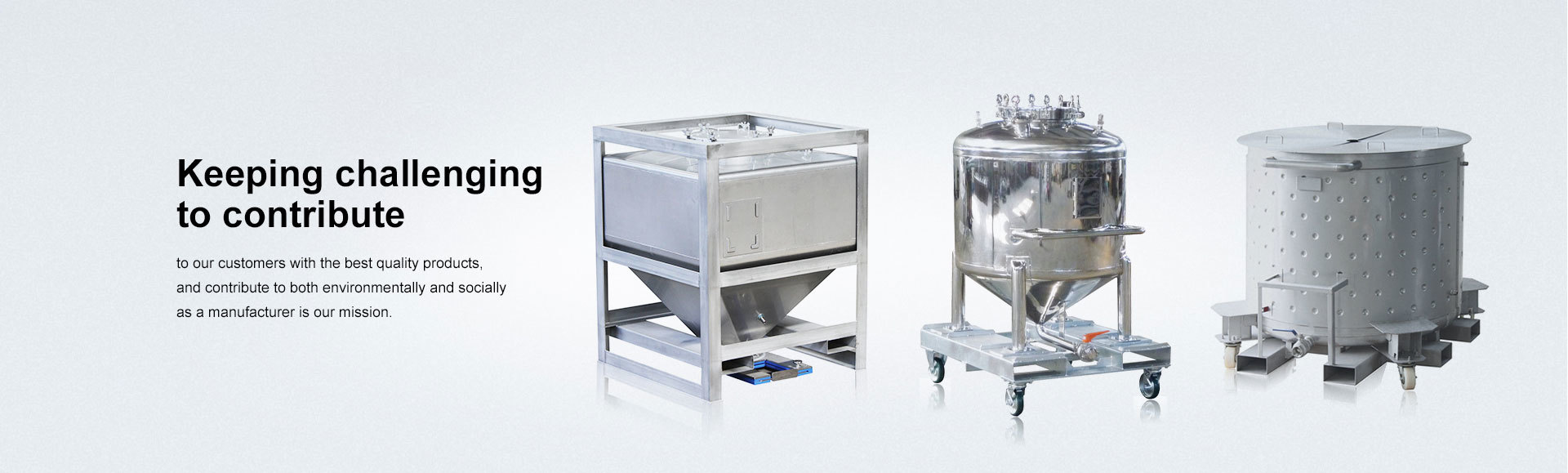
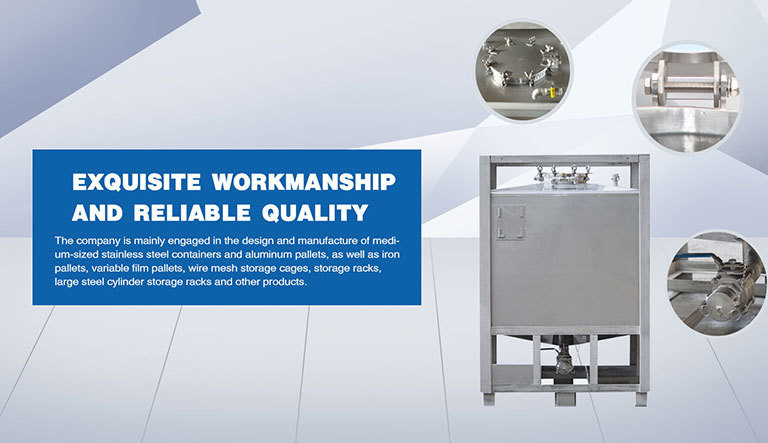
Metal storage tanks, such as stainless steel or carbon steel tanks, offer excellent strength and durability. They are often used for storing corrosive substances and can withstand high temperatures and pressures.
Plastic storage tanks, made from materials like polyethylene or polypropylene, are lightweight, cost-effective, and resistant to corrosion. They are suitable for storing a wide range of chemicals and are easy to install and maintain.
FRP storage tanks combine the strength of fiberglass with the chemical resistance of plastic. These tanks are highly durable, non-corrosive, and suitable for storing a variety of chemicals. They are also lightweight and easy to transport.
Dual laminate tanks are constructed with a combination of thermoplastic material and fiberglass reinforcement. These tanks offer superior resistance to chemicals and can withstand high temperatures and pressures.
Underground storage tanks are designed for businesses that have limited space or prefer to keep their storage tanks out of sight. These tanks are specially engineered to withstand underground conditions and prevent leaks or contamination.
It is crucial to consider the compatibility between the stored chemicals and the tank material. Different chemicals have different corrosive properties, and using an incompatible tank material can lead to chemical reactions, leaks, or contamination.
The required tank capacity and size depend on the volume of materials that need to be stored. It is essential to evaluate the storage needs and choose a tank with a suitable capacity to accommodate the required quantity.
Consider the installation and maintenance requirements of the chosen storage tank. Some tanks may require specialized installation procedures or regular maintenance to ensure their optimal performance and longevity.
Environmental factors, such as temperature, humidity, and exposure to sunlight, can affect the performance and lifespan of chemical storage tanks. Understanding the environmental conditions and selecting a tank that can withstand these factors is crucial.
Consider the initial cost, maintenance costs, and potential long-term savings when choosing chemical anti-corrosion storage tanks. Investing in high-quality tanks may have a higher upfront cost but can provide significant cost savings in terms of durability and maintenance.
Chemical anti-corrosion storage tanks are widely used in industries such as chemical manufacturing, pharmaceuticals, food processing, wastewater treatment, and many others. They are suitable for storing various corrosive substances, including acids, solvents, and hazardous materials.
Consult with experts or manufacturers to determine the compatibility between the stored chemicals and the tank material. They can provide guidance on selecting the appropriate tank material based on the specific chemicals and their corrosive properties.
Yes, chemical anti-corrosion storage tanks can be designed and installed for outdoor use. However, it is crucial to consider environmental factors such as temperature fluctuations, UV exposure, and rainfall when selecting a tank material and design.
Look for certifications such as ISO standards, NSF/ANSI standards, or industry-specific certifications that ensure the tanks meet quality and safety standards. These certifications provide assurance of the tank's performance and compliance with relevant regulations.
Yes, many manufacturers offer customization options for chemical anti-corrosion storage tanks. You can work with them to design tanks with specific dimensions, fittings, and features that align with your unique requirements.
Investing in affordable chemical anti-corrosion storage tanks is a game-changer for businesses in the packaging and printing industry. These tanks provide a reliable and secure solution for storing corrosive substances, ensuring the longevity and quality of materials while maintaining a safe working environment. By understanding the different types of tanks available, considering important factors for selection, and exploring the advantages they offer, businesses can revolutionize their packaging and printing processes and stay ahead in their industry. Choose the right tank, invest wisely, and reap the benefits of enhanced efficiency and cost-effectiveness in your operations.
1. Introduction: The Importance of Chemical Anti-Corrosion Storage Tanks
2. Understanding the Packaging and Printing Industry
3. Challenges Faced in Packaging and Printing
4. The Role of Chemical Anti-Corrosion Storage Tanks
5. Advantages of Affordable Chemical Anti-Corrosion Storage Tanks
5.1. Durability and Longevity
5.2. Resistance to Corrosion
5.3. Cost-Effective Solution
5.4. Versatility and Customization Options
5.5. Compliance with Safety Standards
6. Types of Chemical Anti-Corrosion Storage Tanks
6.1. Metal Storage Tanks
6.2. Plastic Storage Tanks
6.3. Fiberglass Reinforced Plastic (FRP) Storage Tanks
6.4. Dual Laminate Tanks
6.5. Underground Storage Tanks
7. Factors to Consider When Choosing Chemical Anti-Corrosion Storage Tanks
7.1. Material Compatibility
7.2. Tank Capacity and Size
7.3. Installation and Maintenance Requirements
7.4. Environmental Considerations
7.5. Cost-Effectiveness
8. Frequently Asked Questions (FAQs)
8.1. What are the common applications of chemical anti-corrosion storage tanks?
8.2. How can I ensure the compatibility of my stored chemicals with the tank material?
8.3. Are these storage tanks suitable for outdoor installations?
8.4. What certifications should I look for when purchasing chemical storage tanks?
8.5. Can I customize the design and dimensions of the tanks to suit my specific needs?
9. Conclusion: Enhance Your Packaging and Printing Processes with Affordable Chemical Anti-Corrosion Storage Tanks
Introduction: The Importance of Chemical Anti-Corrosion Storage Tanks
In the fast-paced world of packaging and printing, the need for reliable and efficient storage solutions is paramount. Chemical anti-corrosion storage tanks play a vital role in safeguarding valuable materials, ensuring their longevity, and maintaining their quality. This article explores the benefits and advantages of using affordable chemical anti-corrosion storage tanks in the packaging and printing industry.
Understanding the Packaging and Printing Industry
The packaging and printing industry encompasses a wide range of businesses involved in the production, design, and distribution of packaging materials, labels, and printed materials. From food packaging to pharmaceutical labels, this industry caters to the diverse needs of various sectors. However, with the use of chemicals and corrosive substances in the manufacturing and printing processes, it becomes crucial to have suitable storage solutions in place to protect these materials.
Challenges Faced in Packaging and Printing
The packaging and printing industry faces unique challenges due to the nature of materials used and the manufacturing processes involved. One of the significant challenges is the storage and handling of chemicals and corrosive substances. These materials, if not stored properly, can lead to contamination, degradation, and potential hazards. Therefore, it is essential to invest in reliable storage tanks that can withstand the corrosive nature of these chemicals.
The Role of Chemical Anti-Corrosion Storage Tanks
Chemical anti-corrosion storage tanks serve as a crucial component in the packaging and printing industry by providing a safe and secure environment for storing corrosive substances. These tanks are designed to withstand the aggressive nature of chemicals, ensuring that they do not react with the tank material or cause any harm to the surrounding environment. By opting for these specialized storage tanks, businesses can mitigate the risk of product damage, environmental contamination, and safety hazards.
Advantages of Affordable Chemical Anti-Corrosion Storage Tanks
5.1 Durability and Longevity
Affordable chemical anti-corrosion storage tanks are built to last, offering exceptional durability and longevity. Made from high-quality materials with anti-corrosive properties, these tanks can withstand the harshest chemical environments, ensuring the integrity of the stored substances.
5.2 Resistance to Corrosion
The primary feature that sets chemical anti-corrosion storage tanks apart is their resistance to corrosion. These tanks are specifically engineered to resist the corrosive effects of chemicals, preventing any chemical reactions that may compromise the stored materials or the tank structure itself.
5.3 Cost-Effective Solution
Investing in affordable chemical anti-corrosion storage tanks proves to be a cost-effective solution for businesses in the packaging and printing industry. By choosing tanks that offer excellent durability and longevity, companies can reduce maintenance costs and minimize the risk of costly accidents or spills.
5.4 Versatility and Customization Options
Chemical anti-corrosion storage tanks come in various sizes, shapes, and configurations, allowing businesses to choose the perfect fit for their specific needs. From underground storage tanks to smaller, portable options, the versatility and customization options ensure that every unique requirement can be met.
5.5 Compliance with Safety Standards
In the packaging and printing industry, safety is of utmost importance. Affordable chemical anti-corrosion storage tanks adhere to strict safety standards and regulations, ensuring that businesses can maintain a safe working environment while safeguarding their valuable materials.
Types of Chemical Anti-Corrosion Storage Tanks
6.1 Metal Storage Tanks
Metal storage tanks, such as stainless steel or carbon steel tanks, offer excellent strength and durability. They are often used for storing corrosive substances and can withstand high temperatures and pressures.
6.2 Plastic Storage Tanks
Plastic storage tanks, made from materials like polyethylene or polypropylene, are lightweight, cost-effective, and resistant to corrosion. They are suitable for storing a wide range of chemicals and are easy to install and maintain.
6.3 Fiberglass Reinforced Plastic (FRP) Storage Tanks
FRP storage tanks combine the strength of fiberglass with the chemical resistance of plastic. These tanks are highly durable, non-corrosive, and suitable for storing a variety of chemicals. They are also lightweight and easy to transport.
6.4 Dual Laminate Tanks
Dual laminate tanks are constructed with a combination of thermoplastic material and fiberglass reinforcement. These tanks offer superior resistance to chemicals and can withstand high temperatures and pressures.
6.5 Underground Storage Tanks
Underground storage tanks are designed for businesses that have limited space or prefer to keep their storage tanks out of sight. These tanks are specially engineered to withstand underground conditions and prevent leaks or contamination.
Factors to Consider When Choosing Chemical Anti-Corrosion Storage Tanks
7.1 Material Compatibility
It is crucial to consider the compatibility between the stored chemicals and the tank material. Different chemicals have different corrosive properties, and using an incompatible tank material can lead to chemical reactions, leaks, or contamination.
7.2 Tank Capacity and Size
The required tank capacity and size depend on the volume of materials that need to be stored. It is essential to evaluate the storage needs and choose a tank with a suitable capacity to accommodate the required quantity.
7.3 Installation and Maintenance Requirements
Consider the installation and maintenance requirements of the chosen storage tank. Some tanks may require specialized installation procedures or regular maintenance to ensure their optimal performance and longevity.
7.4 Environmental Considerations
Environmental factors, such as temperature, humidity, and exposure to sunlight, can affect the performance and lifespan of chemical storage tanks. Understanding the environmental conditions and selecting a tank that can withstand these factors is crucial.
7.5 Cost-Effectiveness
Consider the initial cost, maintenance costs, and potential long-term savings when choosing chemical anti-corrosion storage tanks. Investing in high-quality tanks may have a higher upfront cost but can provide significant cost savings in terms of durability and maintenance.
Frequently Asked Questions (FAQs)
8.1 What are the common applications of chemical anti-corrosion storage tanks?
Chemical anti-corrosion storage tanks are widely used in industries such as chemical manufacturing, pharmaceuticals, food processing, wastewater treatment, and many others. They are suitable for storing various corrosive substances, including acids, solvents, and hazardous materials.
8.2 How can I ensure the compatibility of my stored chemicals with the tank material?
Consult with experts or manufacturers to determine the compatibility between the stored chemicals and the tank material. They can provide guidance on selecting the appropriate tank material based on the specific chemicals and their corrosive properties.
8.3 Are these storage tanks suitable for outdoor installations?
Yes, chemical anti-corrosion storage tanks can be designed and installed for outdoor use. However, it is crucial to consider environmental factors such as temperature fluctuations, UV exposure, and rainfall when selecting a tank material and design.
8.4 What certifications should I look for when purchasing chemical storage tanks?
Look for certifications such as ISO standards, NSF/ANSI standards, or industry-specific certifications that ensure the tanks meet quality and safety standards. These certifications provide assurance of the tank's performance and compliance with relevant regulations.
8.5 Can I customize the design and dimensions of the tanks to suit my specific needs?
Yes, many manufacturers offer customization options for chemical anti-corrosion storage tanks. You can work with them to design tanks with specific dimensions, fittings, and features that align with your unique requirements.
Conclusion: Enhance Your Packaging and Printing Processes with Affordable Chemical Anti-Corrosion Storage Tanks
Investing in affordable chemical anti-corrosion storage tanks is a game-changer for businesses in the packaging and printing industry. These tanks provide a reliable and secure solution for storing corrosive substances, ensuring the longevity and quality of materials while maintaining a safe working environment. By understanding the different types of tanks available, considering important factors for selection, and exploring the advantages they offer, businesses can revolutionize their packaging and printing processes and stay ahead in their industry. Choose the right tank, invest wisely, and reap the benefits of enhanced efficiency and cost-effectiveness in your operations.
Keyword:
cheap Chemical anti-corrosion storage tank
RELATED NEWS

undefined

Rm 102 No.5 Hongya Street Ganjingzi District,Dalian,Liaoning Province,China
LEAVE A MESSAGE


