
09
2024
-
01
The Ultimate Guide to Explosion-Proof Stainless Steel Storage Tanks
Table of Contents:
1. Introduction
2. Understanding Explosion-Proof Stainless Steel Storage Tanks
2.1 What are Explosion-Proof Stainless Steel Storage Tanks?
2.2 Benefits of Using Stainless Steel Storage Tanks
2.3 Applications of Stainless Steel Storage Tanks
3. Key Features of Explosion-Proof Stainless Steel Storage Tanks
3.1 Robust Construction and Durability
3.2 Corrosion Resistance
3.3 Temperature and Pressure Control
3.4 Versatility in Design and Customization
4. Safety Regulations and Standards for Explosion-Proof Stainless Steel Storage Tanks
4.1 National Fire Protection Association (NFPA) Guidelines
4.2 Occupational Safety and Health Administration (OSHA) Regulations
4.3 International Fire and Building Codes
5. Choosing the Right Explosion-Proof Stainless Steel Storage Tank for Your Needs
5.1 Assessing Your Storage Requirements
5.2 Tank Sizing and Capacity Considerations
5.3 Consulting with Experts and Manufacturers
6. Installation and Maintenance of Explosion-Proof Stainless Steel Storage Tanks
6.1 Proper Site Preparation and Location
6.2 Handling and Transporting the Tank
6.3 Regular Inspection and Maintenance Procedures
7. Frequently Asked Questions (FAQs)
7.1 What makes stainless steel a suitable material for explosion-proof storage tanks?
7.2 Can explosion-proof stainless steel storage tanks be used for hazardous materials?
7.3 How long can a stainless steel storage tank last?
7.4 Are explosion-proof stainless steel storage tanks cost-effective?
7.5 What safety measures should be taken when working with these tanks?
7.6 Can stainless steel storage tanks be recycled?
7.7 Are there any alternatives to stainless steel for explosion-proof storage tanks?
7.8 What are the common sizes and configurations available for these tanks?
8. Conclusion
1. Introduction
Welcome to the ultimate guide to explosion-proof stainless steel storage tanks. In this comprehensive article, we will delve into the world of these innovative tanks and provide you with all the information you need to make informed decisions when it comes to choosing, installing, and maintaining them.
2. Understanding Explosion-Proof Stainless Steel Storage Tanks
2.1 What are Explosion-Proof Stainless Steel Storage Tanks?
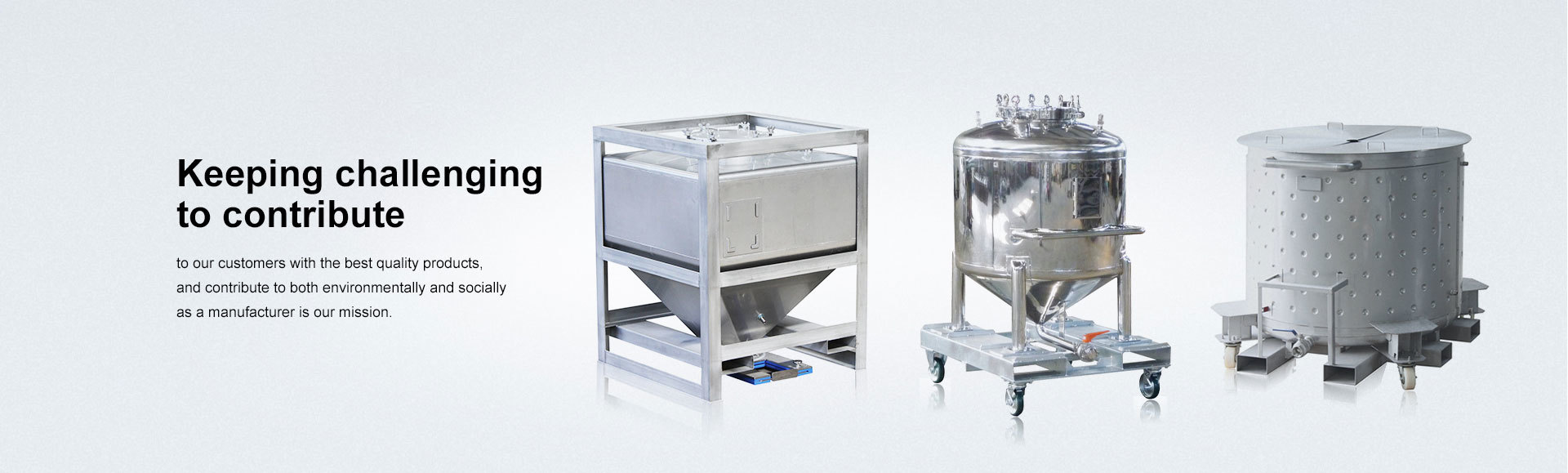
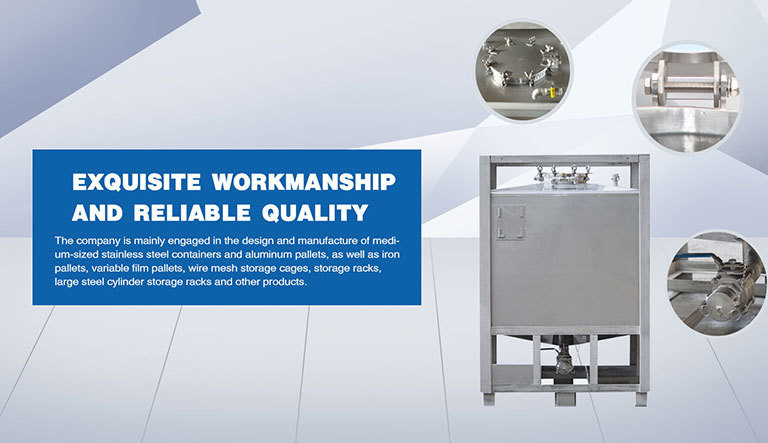
Explosion-proof stainless steel storage tanks are specially designed containers that provide a safe and secure environment for storing various substances, including hazardous materials, flammable liquids, and corrosive substances. These tanks are constructed using high-quality stainless steel, ensuring durability, longevity, and resistance to corrosion.
2.2 Benefits of Using Stainless Steel Storage Tanks
Stainless steel storage tanks offer numerous advantages over traditional storage solutions. Their robust construction, corrosion resistance, and temperature control capabilities make them ideal for a wide range of applications. The non-reactive nature of stainless steel ensures the safety and integrity of the stored substances.
2.3 Applications of Stainless Steel Storage Tanks
Explosion-proof stainless steel storage tanks find applications in various industries, such as chemical manufacturing, pharmaceuticals, food processing, and more. These tanks are commonly used for storing chemicals, solvents, fuels, oils, and other hazardous materials. They provide a reliable and secure storage solution, ensuring the safety of both personnel and the environment.
3. Key Features of Explosion-Proof Stainless Steel Storage Tanks
3.1 Robust Construction and Durability
Explosion-proof stainless steel storage tanks are built to withstand harsh environmental conditions, extreme temperatures, and high pressure. The tanks are constructed using high-quality stainless steel alloys that offer exceptional strength and durability, providing long-term reliability and safety.
3.2 Corrosion Resistance
One of the primary advantages of stainless steel storage tanks is their resistance to corrosion. Stainless steel alloys contain chromium, which forms a protective oxide layer on the surface, preventing rust and corrosion. This feature ensures the integrity of the tank and the safety of the stored substances.
3.3 Temperature and Pressure Control
Explosion-proof stainless steel storage tanks are designed to handle various temperature and pressure requirements. They can be equipped with insulation, heating, and cooling systems to maintain the desired temperature and pressure levels, ensuring the stability and safety of the stored substances.
3.4 Versatility in Design and Customization
Stainless steel storage tanks offer flexibility in design and customization options. They can be tailored to meet specific requirements, including size, capacity, shape, and additional features. This versatility allows industries to optimize their storage solutions and maximize efficiency.
4. Safety Regulations and Standards for Explosion-Proof Stainless Steel Storage Tanks
4.1 National Fire Protection Association (NFPA) Guidelines
The NFPA provides comprehensive guidelines and standards for the safe design, installation, and use of explosion-proof storage tanks. Adhering to these guidelines ensures compliance with industry best practices and minimizes the risk of accidents or incidents.
4.2 Occupational Safety and Health Administration (OSHA) Regulations
OSHA regulations mandate the safe handling, storage, and transportation of hazardous materials. Companies using explosion-proof stainless steel storage tanks must comply with OSHA regulations to ensure the safety of their employees and the surrounding environment.
4.3 International Fire and Building Codes
Various international fire and building codes outline specific requirements for the construction and use of explosion-proof storage tanks. Compliance with these codes is essential to meet international safety standards and prevent accidents.
5. Choosing the Right Explosion-Proof Stainless Steel Storage Tank for Your Needs
5.1 Assessing Your Storage Requirements
Before selecting a stainless steel storage tank, it is crucial to assess your specific storage requirements. Consider factors such as the type of substances to be stored, their quantity, and any specific temperature or pressure requirements.
5.2 Tank Sizing and Capacity Considerations
Proper sizing and capacity calculations are essential to ensure the tank can meet your storage needs efficiently. Consider factors such as anticipated growth, future demands, and available space when determining the ideal size and capacity of your explosion-proof stainless steel storage tank.
5.3 Consulting with Experts and Manufacturers
Consulting with experts and manufacturers in the field of explosion-proof storage tanks can provide valuable insights and guidance. Their expertise can help you make informed decisions and choose the most suitable tank for your specific requirements.
6. Installation and Maintenance of Explosion-Proof Stainless Steel Storage Tanks
6.1 Proper Site Preparation and Location
Proper site preparation and selection of the tank's location are crucial for its safe and efficient operation. Factors such as accessibility, proximity to other structures, and compliance with safety regulations must be considered during installation.
6.2 Handling and Transporting the Tank
Safe handling and transportation of the stainless steel storage tank are essential to prevent damage and ensure the integrity of the tank. Following appropriate procedures and guidelines during these processes is crucial to maintain safety.
6.3 Regular Inspection and Maintenance Procedures
Regular inspection and maintenance of explosion-proof stainless steel storage tanks are vital to identify and address any potential issues. Monitoring tank conditions, checking for leaks, and performing necessary maintenance tasks will help ensure the longevity and safety of the tank.
7. Frequently Asked Questions (FAQs)
7.1 What makes stainless steel a suitable material for explosion-proof storage tanks?
Stainless steel's corrosion resistance, durability, and strength make it an ideal material for explosion-proof storage tanks. It provides a safe and secure environment for storing various substances, even those with corrosive properties.
7.2 Can explosion-proof stainless steel storage tanks be used for hazardous materials?
Yes, explosion-proof stainless steel storage tanks are specifically designed to handle and store hazardous materials safely. Their construction and specialized features ensure the containment of hazardous substances without compromising safety.
7.3 How long can a stainless steel storage tank last?
The lifespan of a stainless steel storage tank depends on various factors such as maintenance, usage conditions, and the quality of the tank itself. With proper care and maintenance, these tanks can last for several decades.
7.4 Are explosion-proof stainless steel storage tanks cost-effective?
While explosion-proof stainless steel storage tanks may have a higher initial cost compared to other storage options, their long-term durability, low maintenance requirements, and resistance to corrosion make them highly cost-effective in the long run.
7.5 What safety measures should be taken when working with these tanks?
When working with explosion-proof stainless steel storage tanks, it is crucial to follow proper safety protocols, including wearing appropriate protective gear, ensuring proper ventilation, and strictly adhering to safety guidelines provided by regulatory authorities.
7.6 Can stainless steel storage tanks be recycled?
Yes, stainless steel storage tanks are highly recyclable. They can be melted down and reused to manufacture new stainless steel products, making them an environmentally friendly choice.
7.7 Are there any alternatives to stainless steel for explosion-proof storage tanks?
While stainless steel is widely recognized for its superior qualities in explosion-proof storage tanks, there are alternative materials available. However, it is essential to carefully consider the specific requirements and properties of the substances to be stored before selecting an alternative material.
7.8 What are the common sizes and configurations available for these tanks?
Explosion-proof stainless steel storage tanks come in a wide range of sizes and configurations to accommodate various storage needs. Common sizes include 1000L, 2000L, 5000L, and larger capacities can be custom-made to fit specific requirements.
8. Conclusion
In conclusion, explosion-proof stainless steel storage tanks offer numerous advantages in terms of safety, durability, and versatility. They are essential for industries dealing with hazardous materials, providing a secure and reliable storage solution. By understanding their construction, benefits, applications, and safety regulations, you can confidently choose and maintain the right explosion-proof stainless steel storage tank for your needs.
1. Introduction
2. Understanding Explosion-Proof Stainless Steel Storage Tanks
2.1 What are Explosion-Proof Stainless Steel Storage Tanks?
2.2 Benefits of Using Stainless Steel Storage Tanks
2.3 Applications of Stainless Steel Storage Tanks
3. Key Features of Explosion-Proof Stainless Steel Storage Tanks
3.1 Robust Construction and Durability
3.2 Corrosion Resistance
3.3 Temperature and Pressure Control
3.4 Versatility in Design and Customization
4. Safety Regulations and Standards for Explosion-Proof Stainless Steel Storage Tanks
4.1 National Fire Protection Association (NFPA) Guidelines
4.2 Occupational Safety and Health Administration (OSHA) Regulations
4.3 International Fire and Building Codes
5. Choosing the Right Explosion-Proof Stainless Steel Storage Tank for Your Needs
5.1 Assessing Your Storage Requirements
5.2 Tank Sizing and Capacity Considerations
5.3 Consulting with Experts and Manufacturers
6. Installation and Maintenance of Explosion-Proof Stainless Steel Storage Tanks
6.1 Proper Site Preparation and Location
6.2 Handling and Transporting the Tank
6.3 Regular Inspection and Maintenance Procedures
7. Frequently Asked Questions (FAQs)
7.1 What makes stainless steel a suitable material for explosion-proof storage tanks?
7.2 Can explosion-proof stainless steel storage tanks be used for hazardous materials?
7.3 How long can a stainless steel storage tank last?
7.4 Are explosion-proof stainless steel storage tanks cost-effective?
7.5 What safety measures should be taken when working with these tanks?
7.6 Can stainless steel storage tanks be recycled?
7.7 Are there any alternatives to stainless steel for explosion-proof storage tanks?
7.8 What are the common sizes and configurations available for these tanks?
8. Conclusion
1. Introduction
Welcome to the ultimate guide to explosion-proof stainless steel storage tanks. In this comprehensive article, we will delve into the world of these innovative tanks and provide you with all the information you need to make informed decisions when it comes to choosing, installing, and maintaining them.
2. Understanding Explosion-Proof Stainless Steel Storage Tanks
2.1 What are Explosion-Proof Stainless Steel Storage Tanks?
Explosion-proof stainless steel storage tanks are specially designed containers that provide a safe and secure environment for storing various substances, including hazardous materials, flammable liquids, and corrosive substances. These tanks are constructed using high-quality stainless steel, ensuring durability, longevity, and resistance to corrosion.
2.2 Benefits of Using Stainless Steel Storage Tanks
Stainless steel storage tanks offer numerous advantages over traditional storage solutions. Their robust construction, corrosion resistance, and temperature control capabilities make them ideal for a wide range of applications. The non-reactive nature of stainless steel ensures the safety and integrity of the stored substances.
2.3 Applications of Stainless Steel Storage Tanks
Explosion-proof stainless steel storage tanks find applications in various industries, such as chemical manufacturing, pharmaceuticals, food processing, and more. These tanks are commonly used for storing chemicals, solvents, fuels, oils, and other hazardous materials. They provide a reliable and secure storage solution, ensuring the safety of both personnel and the environment.
3. Key Features of Explosion-Proof Stainless Steel Storage Tanks
3.1 Robust Construction and Durability
Explosion-proof stainless steel storage tanks are built to withstand harsh environmental conditions, extreme temperatures, and high pressure. The tanks are constructed using high-quality stainless steel alloys that offer exceptional strength and durability, providing long-term reliability and safety.
3.2 Corrosion Resistance
One of the primary advantages of stainless steel storage tanks is their resistance to corrosion. Stainless steel alloys contain chromium, which forms a protective oxide layer on the surface, preventing rust and corrosion. This feature ensures the integrity of the tank and the safety of the stored substances.
3.3 Temperature and Pressure Control
Explosion-proof stainless steel storage tanks are designed to handle various temperature and pressure requirements. They can be equipped with insulation, heating, and cooling systems to maintain the desired temperature and pressure levels, ensuring the stability and safety of the stored substances.
3.4 Versatility in Design and Customization
Stainless steel storage tanks offer flexibility in design and customization options. They can be tailored to meet specific requirements, including size, capacity, shape, and additional features. This versatility allows industries to optimize their storage solutions and maximize efficiency.
4. Safety Regulations and Standards for Explosion-Proof Stainless Steel Storage Tanks
4.1 National Fire Protection Association (NFPA) Guidelines
The NFPA provides comprehensive guidelines and standards for the safe design, installation, and use of explosion-proof storage tanks. Adhering to these guidelines ensures compliance with industry best practices and minimizes the risk of accidents or incidents.
4.2 Occupational Safety and Health Administration (OSHA) Regulations
OSHA regulations mandate the safe handling, storage, and transportation of hazardous materials. Companies using explosion-proof stainless steel storage tanks must comply with OSHA regulations to ensure the safety of their employees and the surrounding environment.
4.3 International Fire and Building Codes
Various international fire and building codes outline specific requirements for the construction and use of explosion-proof storage tanks. Compliance with these codes is essential to meet international safety standards and prevent accidents.
5. Choosing the Right Explosion-Proof Stainless Steel Storage Tank for Your Needs
5.1 Assessing Your Storage Requirements
Before selecting a stainless steel storage tank, it is crucial to assess your specific storage requirements. Consider factors such as the type of substances to be stored, their quantity, and any specific temperature or pressure requirements.
5.2 Tank Sizing and Capacity Considerations
Proper sizing and capacity calculations are essential to ensure the tank can meet your storage needs efficiently. Consider factors such as anticipated growth, future demands, and available space when determining the ideal size and capacity of your explosion-proof stainless steel storage tank.
5.3 Consulting with Experts and Manufacturers
Consulting with experts and manufacturers in the field of explosion-proof storage tanks can provide valuable insights and guidance. Their expertise can help you make informed decisions and choose the most suitable tank for your specific requirements.
6. Installation and Maintenance of Explosion-Proof Stainless Steel Storage Tanks
6.1 Proper Site Preparation and Location
Proper site preparation and selection of the tank's location are crucial for its safe and efficient operation. Factors such as accessibility, proximity to other structures, and compliance with safety regulations must be considered during installation.
6.2 Handling and Transporting the Tank
Safe handling and transportation of the stainless steel storage tank are essential to prevent damage and ensure the integrity of the tank. Following appropriate procedures and guidelines during these processes is crucial to maintain safety.
6.3 Regular Inspection and Maintenance Procedures
Regular inspection and maintenance of explosion-proof stainless steel storage tanks are vital to identify and address any potential issues. Monitoring tank conditions, checking for leaks, and performing necessary maintenance tasks will help ensure the longevity and safety of the tank.
7. Frequently Asked Questions (FAQs)
7.1 What makes stainless steel a suitable material for explosion-proof storage tanks?
Stainless steel's corrosion resistance, durability, and strength make it an ideal material for explosion-proof storage tanks. It provides a safe and secure environment for storing various substances, even those with corrosive properties.
7.2 Can explosion-proof stainless steel storage tanks be used for hazardous materials?
Yes, explosion-proof stainless steel storage tanks are specifically designed to handle and store hazardous materials safely. Their construction and specialized features ensure the containment of hazardous substances without compromising safety.
7.3 How long can a stainless steel storage tank last?
The lifespan of a stainless steel storage tank depends on various factors such as maintenance, usage conditions, and the quality of the tank itself. With proper care and maintenance, these tanks can last for several decades.
7.4 Are explosion-proof stainless steel storage tanks cost-effective?
While explosion-proof stainless steel storage tanks may have a higher initial cost compared to other storage options, their long-term durability, low maintenance requirements, and resistance to corrosion make them highly cost-effective in the long run.
7.5 What safety measures should be taken when working with these tanks?
When working with explosion-proof stainless steel storage tanks, it is crucial to follow proper safety protocols, including wearing appropriate protective gear, ensuring proper ventilation, and strictly adhering to safety guidelines provided by regulatory authorities.
7.6 Can stainless steel storage tanks be recycled?
Yes, stainless steel storage tanks are highly recyclable. They can be melted down and reused to manufacture new stainless steel products, making them an environmentally friendly choice.
7.7 Are there any alternatives to stainless steel for explosion-proof storage tanks?
While stainless steel is widely recognized for its superior qualities in explosion-proof storage tanks, there are alternative materials available. However, it is essential to carefully consider the specific requirements and properties of the substances to be stored before selecting an alternative material.
7.8 What are the common sizes and configurations available for these tanks?
Explosion-proof stainless steel storage tanks come in a wide range of sizes and configurations to accommodate various storage needs. Common sizes include 1000L, 2000L, 5000L, and larger capacities can be custom-made to fit specific requirements.
8. Conclusion
In conclusion, explosion-proof stainless steel storage tanks offer numerous advantages in terms of safety, durability, and versatility. They are essential for industries dealing with hazardous materials, providing a secure and reliable storage solution. By understanding their construction, benefits, applications, and safety regulations, you can confidently choose and maintain the right explosion-proof stainless steel storage tank for your needs.
Keyword:
Explosion-proof stainless steel storage tank
RELATED NEWS

undefined

Rm 102 No.5 Hongya Street Ganjingzi District,Dalian,Liaoning Province,China
LEAVE A MESSAGE


