
16
2024
-
01
Chemical Anti-Corrosion Storage Tank Exporter: A Comprehensive Guide
Introduction:
Chemical anti-corrosion storage tanks play a crucial role in the packaging and printing industry, especially for containing various chemicals. As an expert in the field, we aim to provide you with comprehensive knowledge about these tanks, their exporters, and their significance. This guide will delve into the types of tanks available, their benefits, and key maintenance practices, ensuring you make informed decisions regarding storage solutions for your valuable chemical products.
1. Types of Chemical Anti-Corrosion Storage Tanks:
There are several types of chemical anti-corrosion storage tanks available in the market. These include:
a) Fiberglass Reinforced Plastic (FRP) Tanks: FRP tanks are lightweight, corrosion-resistant, and suitable for storing a wide range of chemicals. They offer excellent durability and are cost-effective.
b) Polyethylene (PE) Tanks: PE tanks are known for their chemical resistance, high-density construction, and UV stability. They are suitable for storing acids, alkalis, and other corrosive substances.
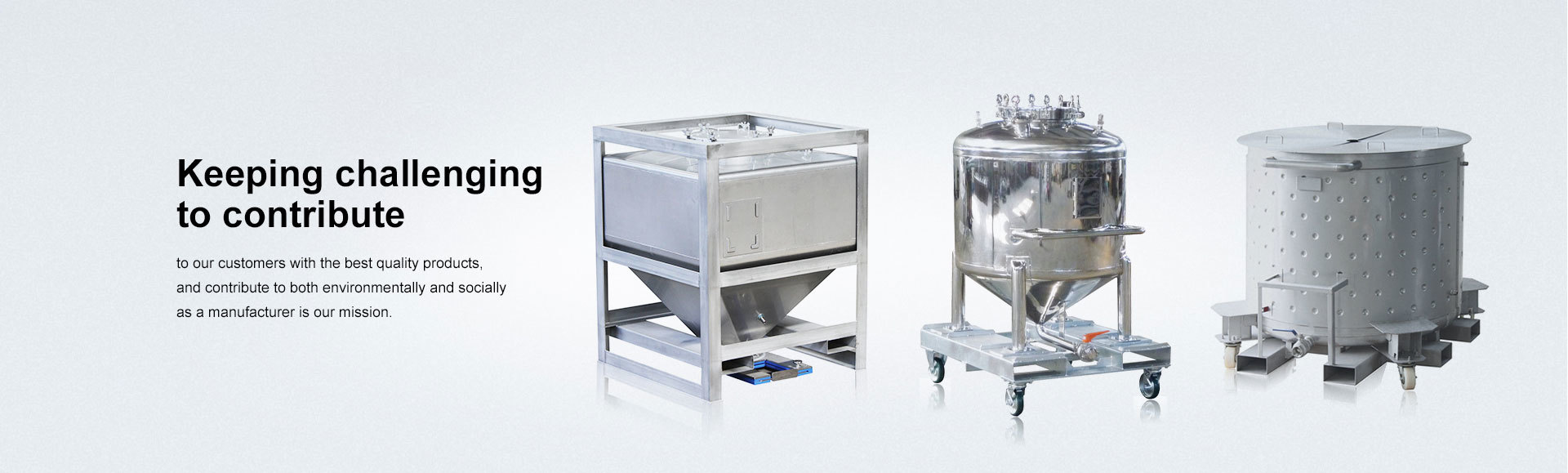
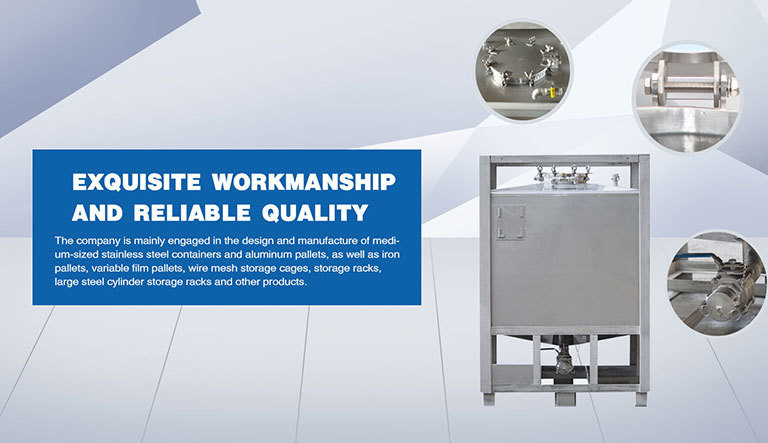
c) Stainless Steel Tanks: Stainless steel tanks are highly resistant to corrosion and offer exceptional durability. They are commonly used for storing flammable and hazardous chemicals due to their fire-resistant properties.
2. Benefits of Chemical Anti-Corrosion Storage Tanks:
Choosing the right chemical anti-corrosion storage tank exporter brings numerous benefits to the packaging and printing industry. Some advantages include:
a) Corrosion Resistance: These tanks protect chemicals from corrosion, ensuring the integrity and quality of the stored products.
b) Safety Assurance: With proper design and construction, these tanks minimize the risk of leaks or spills, preventing accidents and protecting the environment.
c) Cost-effectiveness: Chemical anti-corrosion storage tanks are long-lasting, requiring minimal maintenance and replacement costs over their lifespan.
d) Versatility: These tanks can be customized to meet specific storage requirements, accommodating a wide range of chemicals.
3. Maintenance of Chemical Anti-Corrosion Storage Tanks:
To ensure optimal performance and longevity of chemical anti-corrosion storage tanks, proper maintenance is crucial. Consider the following:
a) Regular Inspection: Inspect tanks for signs of damage, corrosion, or leakage. Promptly address any issues to prevent further deterioration.
b) Cleaning Procedures: Follow recommended cleaning procedures using appropriate agents to remove residues and maintain the tank's chemical resistance.
c) Protective Coatings: Apply protective coatings periodically to enhance the tank's resistance to corrosion and maintain its structural integrity.
d) Safety Measures: Implement safety protocols, such as regular pressure tests, to detect any potential weaknesses in the tank's integrity.
Conclusion:
Chemical anti-corrosion storage tanks are essential for the packaging and printing industry, ensuring the safe storage of various chemicals. Understanding the types of tanks available, their benefits, and proper maintenance practices will help you make informed decisions while choosing the right exporter. By prioritizing corrosion resistance, safety, cost-effectiveness, and regular maintenance, you can ensure the longevity and reliability of your chemical storage solutions.
Chemical anti-corrosion storage tanks play a crucial role in the packaging and printing industry, especially for containing various chemicals. As an expert in the field, we aim to provide you with comprehensive knowledge about these tanks, their exporters, and their significance. This guide will delve into the types of tanks available, their benefits, and key maintenance practices, ensuring you make informed decisions regarding storage solutions for your valuable chemical products.
1. Types of Chemical Anti-Corrosion Storage Tanks:
There are several types of chemical anti-corrosion storage tanks available in the market. These include:
a) Fiberglass Reinforced Plastic (FRP) Tanks: FRP tanks are lightweight, corrosion-resistant, and suitable for storing a wide range of chemicals. They offer excellent durability and are cost-effective.
b) Polyethylene (PE) Tanks: PE tanks are known for their chemical resistance, high-density construction, and UV stability. They are suitable for storing acids, alkalis, and other corrosive substances.
c) Stainless Steel Tanks: Stainless steel tanks are highly resistant to corrosion and offer exceptional durability. They are commonly used for storing flammable and hazardous chemicals due to their fire-resistant properties.
2. Benefits of Chemical Anti-Corrosion Storage Tanks:
Choosing the right chemical anti-corrosion storage tank exporter brings numerous benefits to the packaging and printing industry. Some advantages include:
a) Corrosion Resistance: These tanks protect chemicals from corrosion, ensuring the integrity and quality of the stored products.
b) Safety Assurance: With proper design and construction, these tanks minimize the risk of leaks or spills, preventing accidents and protecting the environment.
c) Cost-effectiveness: Chemical anti-corrosion storage tanks are long-lasting, requiring minimal maintenance and replacement costs over their lifespan.
d) Versatility: These tanks can be customized to meet specific storage requirements, accommodating a wide range of chemicals.
3. Maintenance of Chemical Anti-Corrosion Storage Tanks:
To ensure optimal performance and longevity of chemical anti-corrosion storage tanks, proper maintenance is crucial. Consider the following:
a) Regular Inspection: Inspect tanks for signs of damage, corrosion, or leakage. Promptly address any issues to prevent further deterioration.
b) Cleaning Procedures: Follow recommended cleaning procedures using appropriate agents to remove residues and maintain the tank's chemical resistance.
c) Protective Coatings: Apply protective coatings periodically to enhance the tank's resistance to corrosion and maintain its structural integrity.
d) Safety Measures: Implement safety protocols, such as regular pressure tests, to detect any potential weaknesses in the tank's integrity.
Conclusion:
Chemical anti-corrosion storage tanks are essential for the packaging and printing industry, ensuring the safe storage of various chemicals. Understanding the types of tanks available, their benefits, and proper maintenance practices will help you make informed decisions while choosing the right exporter. By prioritizing corrosion resistance, safety, cost-effectiveness, and regular maintenance, you can ensure the longevity and reliability of your chemical storage solutions.
Keyword:
Chemical anti-corrosion storage tank exporter
RELATED NEWS

undefined

Rm 102 No.5 Hongya Street Ganjingzi District,Dalian,Liaoning Province,China
LEAVE A MESSAGE


