
11
2024
-
02
How to Safely Store Hazardous Materials in Stainless Steel Storage Tanks
Table of Contents:
1. Introduction
2. Understanding Stainless Steel Storage Tanks
3. Importance of Proper Storage for Hazardous Materials
4. Selecting the Right Stainless Steel for Storage Tanks
5. Design Considerations for Hazardous Materials Storage Tanks
6. Proper Installation and Maintenance of Storage Tanks
7. Implementing Safety Measures for Hazardous Materials Handling
8. Training and Awareness for Safe Storage
9. Frequently Asked Questions (FAQs)
10. Conclusion
Safely storing hazardous materials is crucial in industries where substances with potential risks are used. Stainless steel storage tanks are widely used for their durability and resistance to corrosion. This article will guide you on how to safely store hazardous materials in stainless steel storage tanks to ensure the protection of workers, the environment, and the surrounding community.
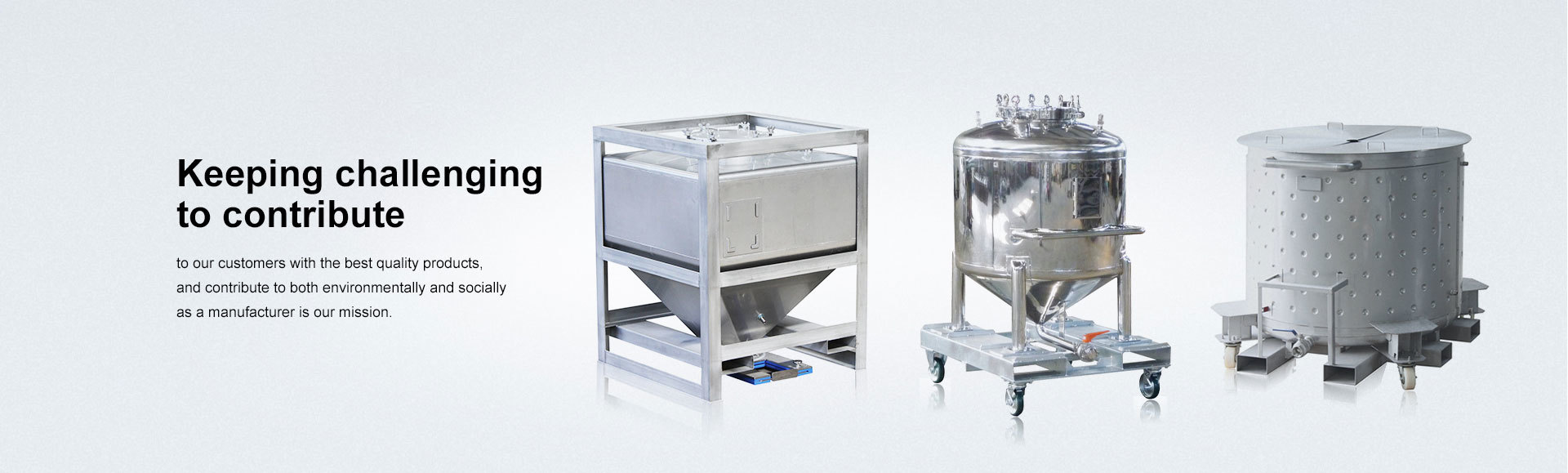
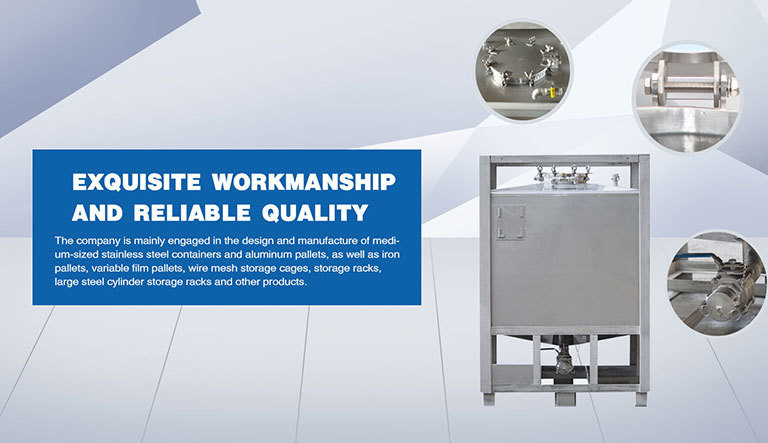
Stainless steel storage tanks are specialized containers designed to hold and store various hazardous materials. They are commonly used in industries such as chemicals, pharmaceuticals, food processing, and petroleum. These tanks offer exceptional resistance to corrosion, high temperatures, and extreme pressures, making them ideal for storing hazardous substances safely.
Proper storage of hazardous materials is crucial to prevent accidents, leaks, and environmental contamination. Failure to store these substances correctly can result in severe consequences, including health hazards, environmental pollution, and legal liabilities. Adhering to strict storage guidelines ensures the safety of workers, protects the environment, and minimizes the risk of accidents.
When choosing stainless steel for storage tanks, it is essential to consider the specific properties and characteristics of the hazardous materials to be stored. Different grades of stainless steel offer varying resistance to corrosion, temperature, and pressure. Consulting with experts and evaluating the chemical compatibility of the materials with stainless steel will help determine the most suitable grade for your storage tank.
Proper tank design is critical to store hazardous materials safely. Factors such as tank capacity, construction materials, venting systems, and access points should be carefully considered. The design must comply with relevant industry standards, codes, and regulations. Incorporating safety features like emergency shut-off valves and overflow protection further enhances the security of the storage system.
Correct installation and regular maintenance of stainless steel storage tanks are essential to ensure their integrity and longevity. Expert installation by trained professionals guarantees proper sealing, anchoring, and connection to other systems. Routine inspections, cleaning, and maintenance checks help identify any signs of wear, damage, or potential leaks, allowing for timely repairs and preventing accidents.
To maintain a safe environment, it is crucial to implement safety measures during the handling, transfer, and disposal of hazardous materials. This includes using appropriate personal protective equipment (PPE), following proper handling procedures, and ensuring proper ventilation in storage areas. Regular monitoring and testing of stored substances also help identify any changes in their properties and take necessary precautions.
Proper training and awareness among employees are vital for safe storage practices. Conducting regular training programs on handling hazardous materials, emergency response protocols, and safety procedures increases employee knowledge and promotes a culture of safety. Creating awareness about the potential risks associated with specific hazardous substances ensures that employees take appropriate precautions during storage and handling activities.
FAQ 1: What are the advantages of using stainless steel storage tanks for hazardous materials?
FAQ 2: How do I determine the appropriate stainless steel grade for my storage tank?
FAQ 3: Are there any specific regulations or standards to follow for storing hazardous materials?
FAQ 4: How often should I inspect and maintain stainless steel storage tanks?
FAQ 5: What training is required for employees handling hazardous materials?
Safely storing hazardous materials in stainless steel storage tanks is of utmost importance to protect both humans and the environment. By understanding the properties of stainless steel, following proper installation and maintenance procedures, and implementing necessary safety measures, you can ensure the secure storage of hazardous substances. Remember, taking precautions and adhering to regulations not only prevents accidents but also promotes a safe working environment for all.
1. Introduction
2. Understanding Stainless Steel Storage Tanks
3. Importance of Proper Storage for Hazardous Materials
4. Selecting the Right Stainless Steel for Storage Tanks
5. Design Considerations for Hazardous Materials Storage Tanks
6. Proper Installation and Maintenance of Storage Tanks
7. Implementing Safety Measures for Hazardous Materials Handling
8. Training and Awareness for Safe Storage
9. Frequently Asked Questions (FAQs)
10. Conclusion
1. Introduction
Safely storing hazardous materials is crucial in industries where substances with potential risks are used. Stainless steel storage tanks are widely used for their durability and resistance to corrosion. This article will guide you on how to safely store hazardous materials in stainless steel storage tanks to ensure the protection of workers, the environment, and the surrounding community.
2. Understanding Stainless Steel Storage Tanks
Stainless steel storage tanks are specialized containers designed to hold and store various hazardous materials. They are commonly used in industries such as chemicals, pharmaceuticals, food processing, and petroleum. These tanks offer exceptional resistance to corrosion, high temperatures, and extreme pressures, making them ideal for storing hazardous substances safely.
3. Importance of Proper Storage for Hazardous Materials
Proper storage of hazardous materials is crucial to prevent accidents, leaks, and environmental contamination. Failure to store these substances correctly can result in severe consequences, including health hazards, environmental pollution, and legal liabilities. Adhering to strict storage guidelines ensures the safety of workers, protects the environment, and minimizes the risk of accidents.
4. Selecting the Right Stainless Steel for Storage Tanks
When choosing stainless steel for storage tanks, it is essential to consider the specific properties and characteristics of the hazardous materials to be stored. Different grades of stainless steel offer varying resistance to corrosion, temperature, and pressure. Consulting with experts and evaluating the chemical compatibility of the materials with stainless steel will help determine the most suitable grade for your storage tank.
5. Design Considerations for Hazardous Materials Storage Tanks
Proper tank design is critical to store hazardous materials safely. Factors such as tank capacity, construction materials, venting systems, and access points should be carefully considered. The design must comply with relevant industry standards, codes, and regulations. Incorporating safety features like emergency shut-off valves and overflow protection further enhances the security of the storage system.
6. Proper Installation and Maintenance of Storage Tanks
Correct installation and regular maintenance of stainless steel storage tanks are essential to ensure their integrity and longevity. Expert installation by trained professionals guarantees proper sealing, anchoring, and connection to other systems. Routine inspections, cleaning, and maintenance checks help identify any signs of wear, damage, or potential leaks, allowing for timely repairs and preventing accidents.
7. Implementing Safety Measures for Hazardous Materials Handling
To maintain a safe environment, it is crucial to implement safety measures during the handling, transfer, and disposal of hazardous materials. This includes using appropriate personal protective equipment (PPE), following proper handling procedures, and ensuring proper ventilation in storage areas. Regular monitoring and testing of stored substances also help identify any changes in their properties and take necessary precautions.
8. Training and Awareness for Safe Storage
Proper training and awareness among employees are vital for safe storage practices. Conducting regular training programs on handling hazardous materials, emergency response protocols, and safety procedures increases employee knowledge and promotes a culture of safety. Creating awareness about the potential risks associated with specific hazardous substances ensures that employees take appropriate precautions during storage and handling activities.
9. Frequently Asked Questions (FAQs)
FAQ 1: What are the advantages of using stainless steel storage tanks for hazardous materials?
FAQ 2: How do I determine the appropriate stainless steel grade for my storage tank?
FAQ 3: Are there any specific regulations or standards to follow for storing hazardous materials?
FAQ 4: How often should I inspect and maintain stainless steel storage tanks?
FAQ 5: What training is required for employees handling hazardous materials?
10. Conclusion
Safely storing hazardous materials in stainless steel storage tanks is of utmost importance to protect both humans and the environment. By understanding the properties of stainless steel, following proper installation and maintenance procedures, and implementing necessary safety measures, you can ensure the secure storage of hazardous substances. Remember, taking precautions and adhering to regulations not only prevents accidents but also promotes a safe working environment for all.
Keyword:
Explosion-proof stainless steel storage tank
RELATED NEWS

undefined

Rm 102 No.5 Hongya Street Ganjingzi District,Dalian,Liaoning Province,China
LEAVE A MESSAGE


