
13
2024
-
02
Why Chemical Anti-Corrosion Storage Tanks are Essential for Packaging and Printing Supplies
Introduction:
In the packaging and printing industry, the protection and preservation of supplies play a crucial role in ensuring the quality and longevity of the products. One essential component in this process is the use of chemical anti-corrosion storage tanks. These tanks provide a safe and reliable storage solution for various chemicals and substances used in packaging and printing. In this article, we will explore the reasons why chemical anti-corrosion storage tanks are essential for packaging and printing supplies.
Table of Contents:
1. Importance of Chemical Anti-Corrosion Storage Tanks
1.1 Protecting Supplies from Corrosion
1.2 Ensuring Product Quality
2. Types of Chemical Anti-Corrosion Storage Tanks
2.1 Stainless Steel Tanks
2.2 Fiberglass Tanks
2.3 Polyethylene Tanks
3. Advantages of Chemical Anti-Corrosion Storage Tanks
3.1 Durability and Longevity
3.2 Resistance to Corrosive Substances
3.3 Easy Maintenance and Cleaning
4. Factors to Consider in Choosing Chemical Anti-Corrosion Storage Tanks
4.1 Compatibility with Stored Substances
4.2 Size and Capacity Requirements
4.3 Safety Features
5. FAQs
5.1 What are the common chemicals stored in these tanks?
5.2 How often should the tanks be inspected and maintained?
5.3 Can these tanks be customized to specific requirements?
5.4 Are there any environmental concerns associated with these tanks?
5.5 How do chemical anti-corrosion storage tanks contribute to sustainable packaging practices?
6. Conclusion
Importance of Chemical Anti-Corrosion Storage Tanks:
1.1 Protecting Supplies from Corrosion:
Corrosion can have detrimental effects on packaging and printing supplies. Chemical anti-corrosion storage tanks provide a barrier between the stored chemicals and the surrounding environment, preventing corrosion and ensuring the integrity of the supplies. By eliminating the risk of corrosion, these tanks help maintain the quality and usability of the packaging and printing materials.
1.2 Ensuring Product Quality:
Chemicals used in packaging and printing can be sensitive to environmental factors such as moisture, temperature, and air exposure. Chemical anti-corrosion storage tanks offer a controlled environment, protecting the stored substances from external influences that could compromise their quality. This ensures that the packaging and printing supplies meet the highest standards and deliver the intended results.
Types of Chemical Anti-Corrosion Storage Tanks:
2.1 Stainless Steel Tanks:
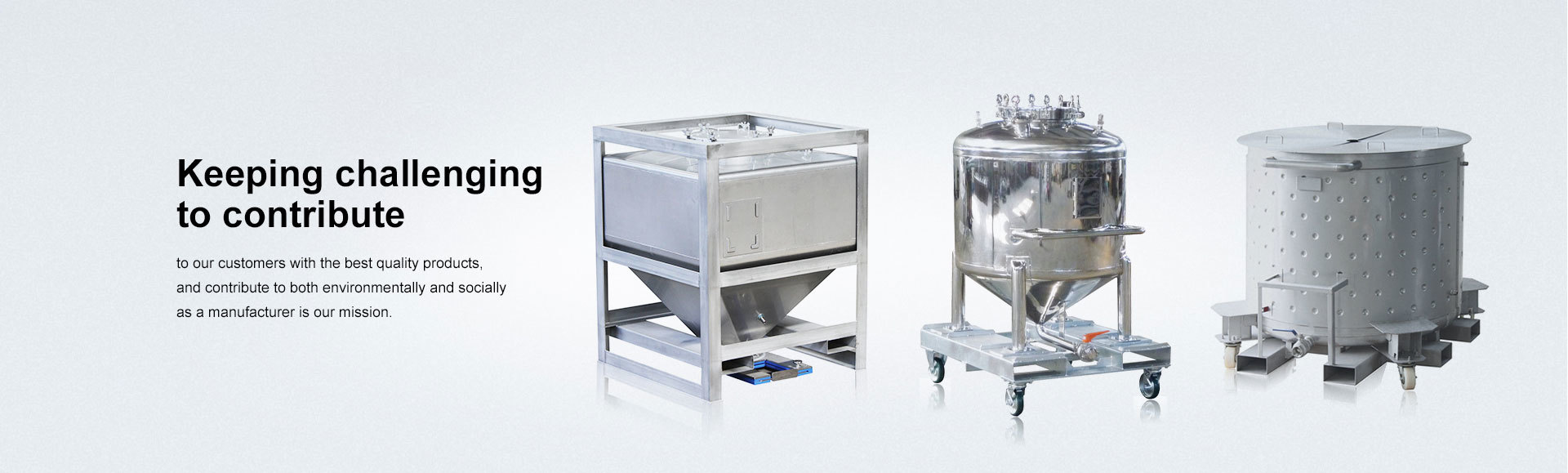
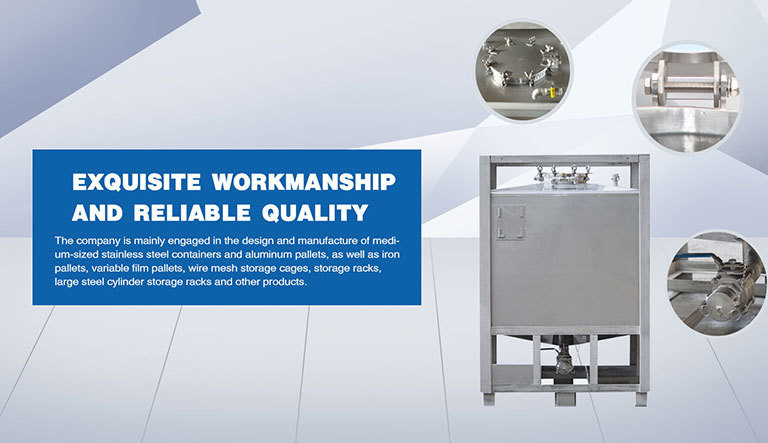
Stainless steel tanks are known for their exceptional durability and resistance to corrosion. They are ideal for storing a wide range of chemicals used in the packaging and printing industry. These tanks are easy to clean and maintain, making them a popular choice among manufacturers.
2.2 Fiberglass Tanks:
Fiberglass tanks are lightweight, yet sturdy, and offer excellent resistance to corrosion. They are suitable for storing both acidic and alkaline substances commonly used in packaging and printing. The smooth interior surface of fiberglass tanks prevents the build-up of residues, ensuring the purity of the stored chemicals.
2.3 Polyethylene Tanks:
Polyethylene tanks are known for their chemical resistance and affordability. They are commonly used for storing non-corrosive substances in the packaging and printing industry. These tanks are available in various sizes and can be easily customized to meet specific requirements.
Advantages of Chemical Anti-Corrosion Storage Tanks:
3.1 Durability and Longevity:
Chemical anti-corrosion storage tanks are designed to withstand harsh conditions and provide long-lasting durability. They are built to resist corrosion, ensuring a prolonged lifespan and reducing the need for frequent replacements. This not only saves costs but also minimizes downtime in the production process.
3.2 Resistance to Corrosive Substances:
The primary purpose of chemical anti-corrosion storage tanks is to protect the stored chemicals from corrosion. These tanks are made from materials that can withstand the corrosive nature of the substances, ensuring that they remain uncontaminated and suitable for use in packaging and printing.
3.3 Easy Maintenance and Cleaning:
Chemical anti-corrosion storage tanks are designed with ease of maintenance in mind. They are constructed to facilitate cleaning processes, allowing for quick and efficient removal of residues. Regular maintenance ensures the longevity of the tanks and prevents any potential contamination of the stored chemicals.
Factors to Consider in Choosing Chemical Anti-Corrosion Storage Tanks:
4.1 Compatibility with Stored Substances:
When selecting chemical anti-corrosion storage tanks, it is crucial to consider the compatibility of the tank material with the stored substances. Different chemicals have varying levels of corrosiveness, and choosing the appropriate tank material ensures the safe storage and preservation of the supplies.
4.2 Size and Capacity Requirements:
The size and capacity of the tanks should align with the specific needs of the packaging and printing industry. Assessing the volume of chemicals to be stored and future requirements helps determine the optimal tank size and capacity, ensuring uninterrupted production processes.
4.3 Safety Features:
Safety should be a top priority in the selection of chemical anti-corrosion storage tanks. Features such as pressure relief valves, temperature control systems, and leak detection mechanisms enhance the overall safety and reliability of the tanks. Compliance with industry standards and regulations is essential to prevent any potential hazards.
FAQs:
5.1 What are the common chemicals stored in these tanks?
Chemicals commonly stored in chemical anti-corrosion storage tanks include solvents, inks, adhesives, and coatings that are used in the packaging and printing industry.
5.2 How often should the tanks be inspected and maintained?
Regular inspections and maintenance should be conducted based on the manufacturer's recommendations and industry standards. This ensures that any potential issues are identified and addressed promptly, preventing any disruptions in the production process.
5.3 Can these tanks be customized to specific requirements?
Yes, chemical anti-corrosion storage tanks can be customized to meet specific requirements, such as size, shape, and additional safety features. Manufacturers offer customization options to cater to the unique needs of the packaging and printing industry.
5.4 Are there any environmental concerns associated with these tanks?
Chemical anti-corrosion storage tanks are designed to ensure the safe containment of chemicals, minimizing the risk of environmental contamination. Proper maintenance, regular inspections, and adherence to disposal regulations are necessary to mitigate any potential environmental concerns.
5.5 How do chemical anti-corrosion storage tanks contribute to sustainable packaging practices?
By preserving the integrity and quality of the stored chemicals, chemical anti-corrosion storage tanks help reduce waste and ensure the efficient use of packaging and printing supplies. This contributes to sustainable packaging practices by minimizing the need for replacements and reducing the environmental impact of the industry.
Conclusion:
Chemical anti-corrosion storage tanks are indispensable in the packaging and printing industry. They provide a safe and reliable storage solution for the chemicals used in the production process. By protecting supplies from corrosion, ensuring product quality, and offering durability and easy maintenance, these tanks play a vital role in maintaining the integrity and efficiency of packaging and printing supplies. When selecting chemical anti-corrosion storage tanks, considering factors such as compatibility, size, and safety features is crucial to meet the specific requirements of the industry. With their numerous advantages and contributions to sustainable packaging practices, these tanks are essential for the success of manufacturers in the packaging and printing sector.
In the packaging and printing industry, the protection and preservation of supplies play a crucial role in ensuring the quality and longevity of the products. One essential component in this process is the use of chemical anti-corrosion storage tanks. These tanks provide a safe and reliable storage solution for various chemicals and substances used in packaging and printing. In this article, we will explore the reasons why chemical anti-corrosion storage tanks are essential for packaging and printing supplies.
Table of Contents:
1. Importance of Chemical Anti-Corrosion Storage Tanks
1.1 Protecting Supplies from Corrosion
1.2 Ensuring Product Quality
2. Types of Chemical Anti-Corrosion Storage Tanks
2.1 Stainless Steel Tanks
2.2 Fiberglass Tanks
2.3 Polyethylene Tanks
3. Advantages of Chemical Anti-Corrosion Storage Tanks
3.1 Durability and Longevity
3.2 Resistance to Corrosive Substances
3.3 Easy Maintenance and Cleaning
4. Factors to Consider in Choosing Chemical Anti-Corrosion Storage Tanks
4.1 Compatibility with Stored Substances
4.2 Size and Capacity Requirements
4.3 Safety Features
5. FAQs
5.1 What are the common chemicals stored in these tanks?
5.2 How often should the tanks be inspected and maintained?
5.3 Can these tanks be customized to specific requirements?
5.4 Are there any environmental concerns associated with these tanks?
5.5 How do chemical anti-corrosion storage tanks contribute to sustainable packaging practices?
6. Conclusion
Importance of Chemical Anti-Corrosion Storage Tanks:
1.1 Protecting Supplies from Corrosion:
Corrosion can have detrimental effects on packaging and printing supplies. Chemical anti-corrosion storage tanks provide a barrier between the stored chemicals and the surrounding environment, preventing corrosion and ensuring the integrity of the supplies. By eliminating the risk of corrosion, these tanks help maintain the quality and usability of the packaging and printing materials.
1.2 Ensuring Product Quality:
Chemicals used in packaging and printing can be sensitive to environmental factors such as moisture, temperature, and air exposure. Chemical anti-corrosion storage tanks offer a controlled environment, protecting the stored substances from external influences that could compromise their quality. This ensures that the packaging and printing supplies meet the highest standards and deliver the intended results.
Types of Chemical Anti-Corrosion Storage Tanks:
2.1 Stainless Steel Tanks:
Stainless steel tanks are known for their exceptional durability and resistance to corrosion. They are ideal for storing a wide range of chemicals used in the packaging and printing industry. These tanks are easy to clean and maintain, making them a popular choice among manufacturers.
2.2 Fiberglass Tanks:
Fiberglass tanks are lightweight, yet sturdy, and offer excellent resistance to corrosion. They are suitable for storing both acidic and alkaline substances commonly used in packaging and printing. The smooth interior surface of fiberglass tanks prevents the build-up of residues, ensuring the purity of the stored chemicals.
2.3 Polyethylene Tanks:
Polyethylene tanks are known for their chemical resistance and affordability. They are commonly used for storing non-corrosive substances in the packaging and printing industry. These tanks are available in various sizes and can be easily customized to meet specific requirements.
Advantages of Chemical Anti-Corrosion Storage Tanks:
3.1 Durability and Longevity:
Chemical anti-corrosion storage tanks are designed to withstand harsh conditions and provide long-lasting durability. They are built to resist corrosion, ensuring a prolonged lifespan and reducing the need for frequent replacements. This not only saves costs but also minimizes downtime in the production process.
3.2 Resistance to Corrosive Substances:
The primary purpose of chemical anti-corrosion storage tanks is to protect the stored chemicals from corrosion. These tanks are made from materials that can withstand the corrosive nature of the substances, ensuring that they remain uncontaminated and suitable for use in packaging and printing.
3.3 Easy Maintenance and Cleaning:
Chemical anti-corrosion storage tanks are designed with ease of maintenance in mind. They are constructed to facilitate cleaning processes, allowing for quick and efficient removal of residues. Regular maintenance ensures the longevity of the tanks and prevents any potential contamination of the stored chemicals.
Factors to Consider in Choosing Chemical Anti-Corrosion Storage Tanks:
4.1 Compatibility with Stored Substances:
When selecting chemical anti-corrosion storage tanks, it is crucial to consider the compatibility of the tank material with the stored substances. Different chemicals have varying levels of corrosiveness, and choosing the appropriate tank material ensures the safe storage and preservation of the supplies.
4.2 Size and Capacity Requirements:
The size and capacity of the tanks should align with the specific needs of the packaging and printing industry. Assessing the volume of chemicals to be stored and future requirements helps determine the optimal tank size and capacity, ensuring uninterrupted production processes.
4.3 Safety Features:
Safety should be a top priority in the selection of chemical anti-corrosion storage tanks. Features such as pressure relief valves, temperature control systems, and leak detection mechanisms enhance the overall safety and reliability of the tanks. Compliance with industry standards and regulations is essential to prevent any potential hazards.
FAQs:
5.1 What are the common chemicals stored in these tanks?
Chemicals commonly stored in chemical anti-corrosion storage tanks include solvents, inks, adhesives, and coatings that are used in the packaging and printing industry.
5.2 How often should the tanks be inspected and maintained?
Regular inspections and maintenance should be conducted based on the manufacturer's recommendations and industry standards. This ensures that any potential issues are identified and addressed promptly, preventing any disruptions in the production process.
5.3 Can these tanks be customized to specific requirements?
Yes, chemical anti-corrosion storage tanks can be customized to meet specific requirements, such as size, shape, and additional safety features. Manufacturers offer customization options to cater to the unique needs of the packaging and printing industry.
5.4 Are there any environmental concerns associated with these tanks?
Chemical anti-corrosion storage tanks are designed to ensure the safe containment of chemicals, minimizing the risk of environmental contamination. Proper maintenance, regular inspections, and adherence to disposal regulations are necessary to mitigate any potential environmental concerns.
5.5 How do chemical anti-corrosion storage tanks contribute to sustainable packaging practices?
By preserving the integrity and quality of the stored chemicals, chemical anti-corrosion storage tanks help reduce waste and ensure the efficient use of packaging and printing supplies. This contributes to sustainable packaging practices by minimizing the need for replacements and reducing the environmental impact of the industry.
Conclusion:
Chemical anti-corrosion storage tanks are indispensable in the packaging and printing industry. They provide a safe and reliable storage solution for the chemicals used in the production process. By protecting supplies from corrosion, ensuring product quality, and offering durability and easy maintenance, these tanks play a vital role in maintaining the integrity and efficiency of packaging and printing supplies. When selecting chemical anti-corrosion storage tanks, considering factors such as compatibility, size, and safety features is crucial to meet the specific requirements of the industry. With their numerous advantages and contributions to sustainable packaging practices, these tanks are essential for the success of manufacturers in the packaging and printing sector.
Keyword:
Chemical anti-corrosion storage tank
RELATED NEWS

undefined

Rm 102 No.5 Hongya Street Ganjingzi District,Dalian,Liaoning Province,China
LEAVE A MESSAGE


