
13
2024
-
02
Protect Your Packaging and Printing Materials with Chemical Anti-Corrosion Storage Tanks.
Table of Contents:
1. Introduction: The Significance of Chemical Anti-Corrosion Storage Tanks
2. Understanding Corrosion in Packaging and Printing Materials
3. The Role of Chemical Anti-Corrosion Storage Tanks in Preventing Corrosion
4. Types of Chemical Anti-Corrosion Storage Tanks
5. Benefits of Chemical Anti-Corrosion Storage Tanks
6. Choosing the Right Chemical Anti-Corrosion Storage Tank for Your Needs
7. Installation and Maintenance of Chemical Anti-Corrosion Storage Tanks
8. Frequently Asked Questions (FAQs)
9. Conclusion
Packaging and printing materials are crucial for businesses in the manufacturing and distribution industry. These materials often come in contact with various chemicals and environmental factors that can lead to corrosion and degradation. To protect the integrity of such materials, chemical anti-corrosion storage tanks play a vital role. In this article, we will explore the importance of these tanks in safeguarding your packaging and printing materials.
Corrosion is a natural process that occurs when metals and other materials react with their environment. In the case of packaging and printing materials, corrosion can lead to a range of issues, including compromised structural integrity, reduced quality, and shortened lifespan. Factors such as humidity, temperature, exposure to chemicals, and even air pollutants can accelerate corrosion. To ensure the longevity and effectiveness of your packaging and printing materials, it is essential to address the issue of corrosion effectively.
Chemical anti-corrosion storage tanks offer a reliable solution for protecting packaging and printing materials from corrosion. These tanks are specifically designed to store corrosive substances safely. By storing materials in chemically resistant tanks, you can ensure that your packaging and printing materials remain unaffected by the corrosive properties of the stored substances. Chemical anti-corrosion storage tanks act as a barrier between the materials and the corrosive elements, preventing direct contact and corrosion.
Chemical anti-corrosion storage tanks come in various types, each designed to cater to specific needs and requirements. Some common types include:
- Fiberglass Reinforced Plastic (FRP) Tanks: These tanks are lightweight, non-corrosive, and suitable for storing a wide range of chemicals. FRP tanks offer excellent resistance to corrosion and can be customized to meet specific storage needs.
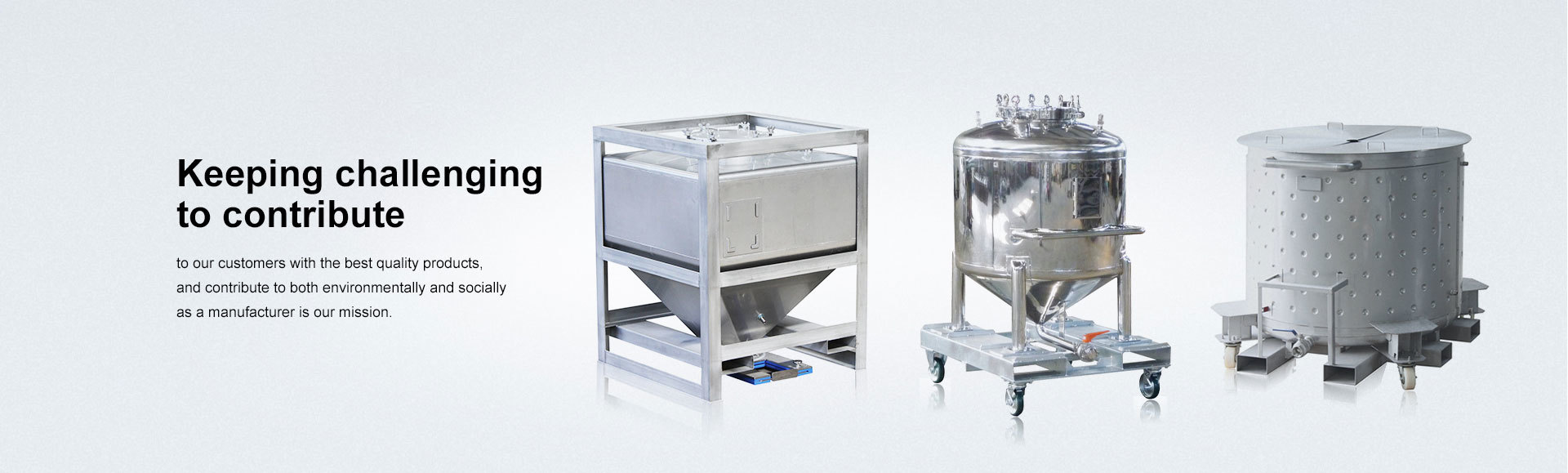
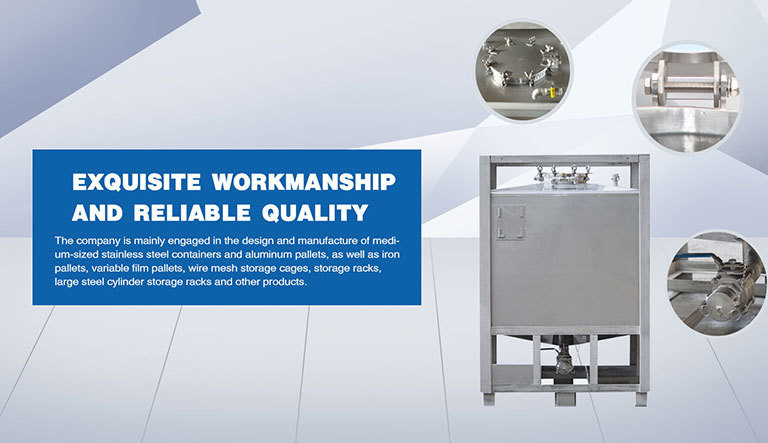
- Stainless Steel Tanks: Stainless steel tanks are known for their durability and resistance to corrosion. They are ideal for storing corrosive chemicals and provide long-term reliability.
- Polyethylene Tanks: Polyethylene tanks are cost-effective and resistant to a wide range of chemicals. They are lightweight, easy to install, and offer excellent corrosion resistance.
Investing in chemical anti-corrosion storage tanks can offer several benefits for your packaging and printing materials:
- Corrosion Prevention: The primary benefit is the prevention of corrosion and degradation in your materials, ensuring their quality and longevity.
- Cost Savings: By protecting your packaging and printing materials from corrosion, you can avoid costly replacements or repairs, saving your business valuable resources.
- Compliance with Regulations: Many industries have specific regulations regarding the storage and handling of corrosive substances. Using chemical anti-corrosion storage tanks helps you comply with these regulations and ensures the safety of your materials.
- Versatility and Customization: Chemical anti-corrosion storage tanks come in various sizes and configurations, allowing you to choose the option that best suits your specific requirements.
Selecting the appropriate chemical anti-corrosion storage tank is crucial to ensure effective protection for your packaging and printing materials. Consider the following factors when making your choice:
- Compatibility: Ensure that the tank is compatible with the substances you intend to store. Different tanks have varying resistance to specific chemicals, so it's essential to understand the compatibility requirements.
- Size and Capacity: Evaluate the volume of materials you need to store and choose a tank that can accommodate your requirements. It is advisable to consider future growth and expansion when determining the tank's capacity.
- Installation and Maintenance: Consider the ease of installation and ongoing maintenance requirements of the tank. Opt for tanks that are easy to install and offer straightforward maintenance procedures.
Proper installation and regular maintenance are crucial to ensure the continued effectiveness of chemical anti-corrosion storage tanks. Follow these guidelines for installation and maintenance:
- Professional Installation: It is recommended to seek professional assistance for the installation of chemical anti-corrosion storage tanks. Professionals have the necessary expertise to ensure safe and accurate installation.
- Routine Inspections: Regularly inspect the tanks for any signs of damage or wear. Look for leaks, cracks, or any other issues that may compromise the tank's integrity.
- Cleaning and Maintenance: Follow the manufacturer's guidelines for cleaning and maintenance. Regularly clean the tank and remove any residue or build-up that may affect its performance.
Q1: Can chemical anti-corrosion storage tanks be used for other industries besides packaging and printing?
A1: Yes, chemical anti-corrosion storage tanks are versatile and can be used in various industries that require the storage of corrosive substances.
Q2: How long do chemical anti-corrosion storage tanks last?
A2: The lifespan of chemical anti-corrosion storage tanks depends on several factors, including the materials used and the maintenance practices. With proper care, these tanks can last for many years.
Q3: Can I customize the size and configuration of chemical anti-corrosion storage tanks?
A3: Yes, many manufacturers offer customization options to cater to specific size and configuration requirements.
Q4: Are there any safety precautions to consider when using chemical anti-corrosion storage tanks?
A4: It is crucial to follow safety guidelines and regulations when storing and handling corrosive substances. Ensure proper ventilation, use appropriate personal protective equipment, and train employees on safe handling procedures.
Q5: Are chemical anti-corrosion storage tanks environmentally friendly?
A5: Chemical anti-corrosion storage tanks are designed to prevent leaks and spills, minimizing the environmental impact of stored substances.
Protecting your packaging and printing materials from corrosion is essential to maintain their quality and longevity. Chemical anti-corrosion storage tanks offer a reliable solution to prevent corrosion and ensure the integrity of your materials. By investing in the right type of tank and following proper installation and maintenance practices, you can safeguard your packaging and printing materials effectively. Choose chemical anti-corrosion storage tanks that are compatible with your requirements and comply with industry regulations. Don't compromise on the protection of your valuable materials and invest in chemical anti-corrosion storage tanks today.
1. Introduction: The Significance of Chemical Anti-Corrosion Storage Tanks
2. Understanding Corrosion in Packaging and Printing Materials
3. The Role of Chemical Anti-Corrosion Storage Tanks in Preventing Corrosion
4. Types of Chemical Anti-Corrosion Storage Tanks
5. Benefits of Chemical Anti-Corrosion Storage Tanks
6. Choosing the Right Chemical Anti-Corrosion Storage Tank for Your Needs
7. Installation and Maintenance of Chemical Anti-Corrosion Storage Tanks
8. Frequently Asked Questions (FAQs)
9. Conclusion
1. Introduction: The Significance of Chemical Anti-Corrosion Storage Tanks
Packaging and printing materials are crucial for businesses in the manufacturing and distribution industry. These materials often come in contact with various chemicals and environmental factors that can lead to corrosion and degradation. To protect the integrity of such materials, chemical anti-corrosion storage tanks play a vital role. In this article, we will explore the importance of these tanks in safeguarding your packaging and printing materials.
2. Understanding Corrosion in Packaging and Printing Materials
Corrosion is a natural process that occurs when metals and other materials react with their environment. In the case of packaging and printing materials, corrosion can lead to a range of issues, including compromised structural integrity, reduced quality, and shortened lifespan. Factors such as humidity, temperature, exposure to chemicals, and even air pollutants can accelerate corrosion. To ensure the longevity and effectiveness of your packaging and printing materials, it is essential to address the issue of corrosion effectively.
3. The Role of Chemical Anti-Corrosion Storage Tanks in Preventing Corrosion
Chemical anti-corrosion storage tanks offer a reliable solution for protecting packaging and printing materials from corrosion. These tanks are specifically designed to store corrosive substances safely. By storing materials in chemically resistant tanks, you can ensure that your packaging and printing materials remain unaffected by the corrosive properties of the stored substances. Chemical anti-corrosion storage tanks act as a barrier between the materials and the corrosive elements, preventing direct contact and corrosion.
4. Types of Chemical Anti-Corrosion Storage Tanks
Chemical anti-corrosion storage tanks come in various types, each designed to cater to specific needs and requirements. Some common types include:
- Fiberglass Reinforced Plastic (FRP) Tanks: These tanks are lightweight, non-corrosive, and suitable for storing a wide range of chemicals. FRP tanks offer excellent resistance to corrosion and can be customized to meet specific storage needs.
- Stainless Steel Tanks: Stainless steel tanks are known for their durability and resistance to corrosion. They are ideal for storing corrosive chemicals and provide long-term reliability.
- Polyethylene Tanks: Polyethylene tanks are cost-effective and resistant to a wide range of chemicals. They are lightweight, easy to install, and offer excellent corrosion resistance.
5. Benefits of Chemical Anti-Corrosion Storage Tanks
Investing in chemical anti-corrosion storage tanks can offer several benefits for your packaging and printing materials:
- Corrosion Prevention: The primary benefit is the prevention of corrosion and degradation in your materials, ensuring their quality and longevity.
- Cost Savings: By protecting your packaging and printing materials from corrosion, you can avoid costly replacements or repairs, saving your business valuable resources.
- Compliance with Regulations: Many industries have specific regulations regarding the storage and handling of corrosive substances. Using chemical anti-corrosion storage tanks helps you comply with these regulations and ensures the safety of your materials.
- Versatility and Customization: Chemical anti-corrosion storage tanks come in various sizes and configurations, allowing you to choose the option that best suits your specific requirements.
6. Choosing the Right Chemical Anti-Corrosion Storage Tank for Your Needs
Selecting the appropriate chemical anti-corrosion storage tank is crucial to ensure effective protection for your packaging and printing materials. Consider the following factors when making your choice:
- Compatibility: Ensure that the tank is compatible with the substances you intend to store. Different tanks have varying resistance to specific chemicals, so it's essential to understand the compatibility requirements.
- Size and Capacity: Evaluate the volume of materials you need to store and choose a tank that can accommodate your requirements. It is advisable to consider future growth and expansion when determining the tank's capacity.
- Installation and Maintenance: Consider the ease of installation and ongoing maintenance requirements of the tank. Opt for tanks that are easy to install and offer straightforward maintenance procedures.
7. Installation and Maintenance of Chemical Anti-Corrosion Storage Tanks
Proper installation and regular maintenance are crucial to ensure the continued effectiveness of chemical anti-corrosion storage tanks. Follow these guidelines for installation and maintenance:
- Professional Installation: It is recommended to seek professional assistance for the installation of chemical anti-corrosion storage tanks. Professionals have the necessary expertise to ensure safe and accurate installation.
- Routine Inspections: Regularly inspect the tanks for any signs of damage or wear. Look for leaks, cracks, or any other issues that may compromise the tank's integrity.
- Cleaning and Maintenance: Follow the manufacturer's guidelines for cleaning and maintenance. Regularly clean the tank and remove any residue or build-up that may affect its performance.
8. Frequently Asked Questions (FAQs)
Q1: Can chemical anti-corrosion storage tanks be used for other industries besides packaging and printing?
A1: Yes, chemical anti-corrosion storage tanks are versatile and can be used in various industries that require the storage of corrosive substances.
Q2: How long do chemical anti-corrosion storage tanks last?
A2: The lifespan of chemical anti-corrosion storage tanks depends on several factors, including the materials used and the maintenance practices. With proper care, these tanks can last for many years.
Q3: Can I customize the size and configuration of chemical anti-corrosion storage tanks?
A3: Yes, many manufacturers offer customization options to cater to specific size and configuration requirements.
Q4: Are there any safety precautions to consider when using chemical anti-corrosion storage tanks?
A4: It is crucial to follow safety guidelines and regulations when storing and handling corrosive substances. Ensure proper ventilation, use appropriate personal protective equipment, and train employees on safe handling procedures.
Q5: Are chemical anti-corrosion storage tanks environmentally friendly?
A5: Chemical anti-corrosion storage tanks are designed to prevent leaks and spills, minimizing the environmental impact of stored substances.
9. Conclusion
Protecting your packaging and printing materials from corrosion is essential to maintain their quality and longevity. Chemical anti-corrosion storage tanks offer a reliable solution to prevent corrosion and ensure the integrity of your materials. By investing in the right type of tank and following proper installation and maintenance practices, you can safeguard your packaging and printing materials effectively. Choose chemical anti-corrosion storage tanks that are compatible with your requirements and comply with industry regulations. Don't compromise on the protection of your valuable materials and invest in chemical anti-corrosion storage tanks today.
Keyword:
Chemical anti-corrosion storage tank
RELATED NEWS

undefined

Rm 102 No.5 Hongya Street Ganjingzi District,Dalian,Liaoning Province,China
LEAVE A MESSAGE


