
23
2024
-
02
Ensuring Food Safety with Stainless Steel Mixing Vessels
---
**Introduction**
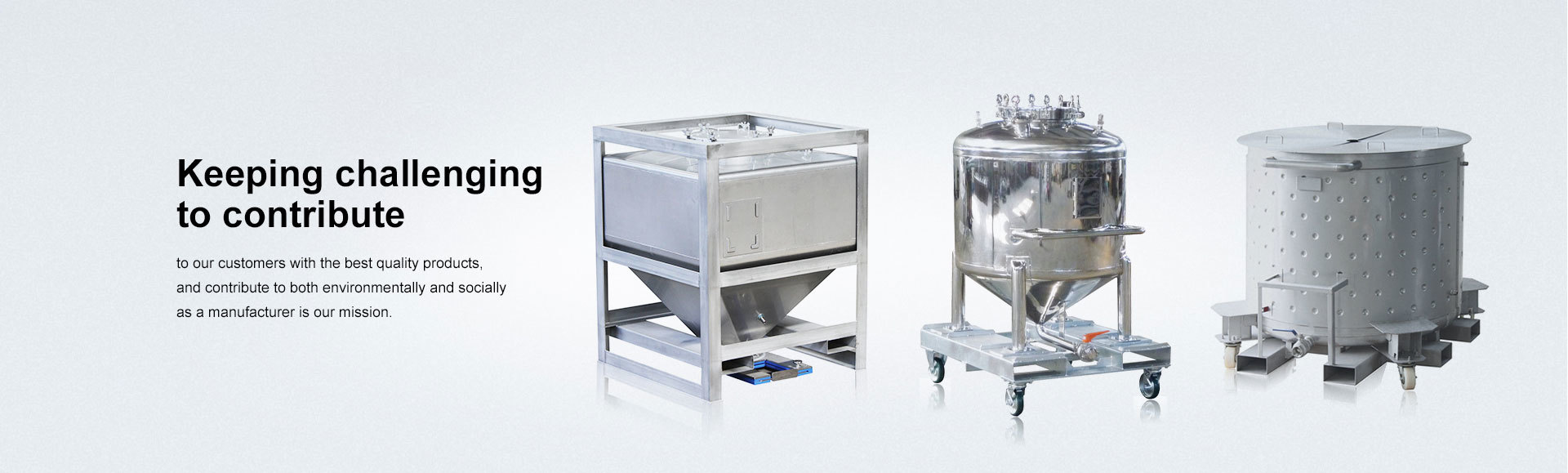
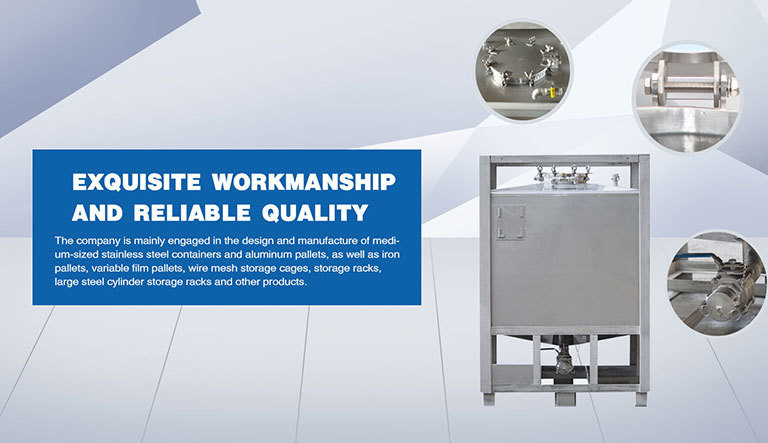
In the food processing industry, ensuring food safety is paramount to protect consumers from potential health risks. Stainless steel mixing vessels have become a popular choice for food manufacturers due to their hygienic properties and durability. In this article, we will explore the importance of stainless steel containers in maintaining food safety standards and the benefits they offer to the industry.
---
**Benefits of Stainless Steel Mixing Vessels**
Stainless steel mixing vessels are widely used in the food processing industry for several reasons. One of the primary benefits of stainless steel containers is their resistance to corrosion, which helps prevent contamination of food products. Additionally, stainless steel is non-reactive, meaning it does not interact with food or beverages, ensuring the preservation of taste and quality.
**Hygiene Standards in Food Processing**
Maintaining high levels of hygiene is essential in food processing to prevent the growth of harmful bacteria and pathogens. Stainless steel mixing vessels are easy to clean and sanitize, making them ideal for use in food production facilities. The smooth surface of stainless steel containers prevents food particles from sticking, reducing the risk of cross-contamination.
**Regulatory Compliance**
Food safety regulations require manufacturers to adhere to strict guidelines to ensure the quality and safety of their products. Stainless steel mixing vessels meet industry standards and are approved for use in food processing facilities. By using stainless steel containers, manufacturers can demonstrate their commitment to producing safe and high-quality food products.
**Durability and Longevity**
Stainless steel mixing vessels are durable and long-lasting, making them a cost-effective investment for food manufacturers. Unlike other materials, stainless steel containers do not rust or corrode, ensuring they maintain their integrity over time. This durability allows food manufacturers to use stainless steel mixing vessels for years without compromising food safety or quality.
**Environmental Sustainability**
In addition to their hygienic properties, stainless steel mixing vessels are also environmentally friendly. Stainless steel is 100% recyclable, making it a sustainable choice for food manufacturers looking to reduce their environmental impact. By using stainless steel containers, manufacturers can minimize waste and contribute to a more sustainable food production process.
---
**FAQs**
1. Are stainless steel mixing vessels safe for food processing?
Yes, stainless steel mixing vessels are safe for food processing as they are non-reactive and resistant to corrosion.
2. How do you clean stainless steel mixing vessels?
Stainless steel mixing vessels can be cleaned using a mild detergent and warm water. They should be thoroughly rinsed and dried after cleaning.
3. Are stainless steel containers durable?
Yes, stainless steel containers are durable and long-lasting, making them a cost-effective choice for food manufacturers.
4. Can stainless steel containers be recycled?
Yes, stainless steel is 100% recyclable, making it an environmentally friendly choice for food processing facilities.
5. Do stainless steel mixing vessels meet regulatory standards?
Yes, stainless steel mixing vessels meet industry standards and are approved for use in food processing facilities.
---
**Conclusion**
In conclusion, stainless steel mixing vessels play a crucial role in ensuring food safety and quality in the food processing industry. Their hygienic properties, durability, and environmental sustainability make them an ideal choice for manufacturers looking to maintain high standards of hygiene and compliance with regulations. By investing in stainless steel containers, food manufacturers can protect consumers from potential health risks and demonstrate their commitment to producing safe and high-quality food products.
**Introduction**
In the food processing industry, ensuring food safety is paramount to protect consumers from potential health risks. Stainless steel mixing vessels have become a popular choice for food manufacturers due to their hygienic properties and durability. In this article, we will explore the importance of stainless steel containers in maintaining food safety standards and the benefits they offer to the industry.
---
**Benefits of Stainless Steel Mixing Vessels**
Stainless steel mixing vessels are widely used in the food processing industry for several reasons. One of the primary benefits of stainless steel containers is their resistance to corrosion, which helps prevent contamination of food products. Additionally, stainless steel is non-reactive, meaning it does not interact with food or beverages, ensuring the preservation of taste and quality.
**Hygiene Standards in Food Processing**
Maintaining high levels of hygiene is essential in food processing to prevent the growth of harmful bacteria and pathogens. Stainless steel mixing vessels are easy to clean and sanitize, making them ideal for use in food production facilities. The smooth surface of stainless steel containers prevents food particles from sticking, reducing the risk of cross-contamination.
**Regulatory Compliance**
Food safety regulations require manufacturers to adhere to strict guidelines to ensure the quality and safety of their products. Stainless steel mixing vessels meet industry standards and are approved for use in food processing facilities. By using stainless steel containers, manufacturers can demonstrate their commitment to producing safe and high-quality food products.
**Durability and Longevity**
Stainless steel mixing vessels are durable and long-lasting, making them a cost-effective investment for food manufacturers. Unlike other materials, stainless steel containers do not rust or corrode, ensuring they maintain their integrity over time. This durability allows food manufacturers to use stainless steel mixing vessels for years without compromising food safety or quality.
**Environmental Sustainability**
In addition to their hygienic properties, stainless steel mixing vessels are also environmentally friendly. Stainless steel is 100% recyclable, making it a sustainable choice for food manufacturers looking to reduce their environmental impact. By using stainless steel containers, manufacturers can minimize waste and contribute to a more sustainable food production process.
---
**FAQs**
1. Are stainless steel mixing vessels safe for food processing?
Yes, stainless steel mixing vessels are safe for food processing as they are non-reactive and resistant to corrosion.
2. How do you clean stainless steel mixing vessels?
Stainless steel mixing vessels can be cleaned using a mild detergent and warm water. They should be thoroughly rinsed and dried after cleaning.
3. Are stainless steel containers durable?
Yes, stainless steel containers are durable and long-lasting, making them a cost-effective choice for food manufacturers.
4. Can stainless steel containers be recycled?
Yes, stainless steel is 100% recyclable, making it an environmentally friendly choice for food processing facilities.
5. Do stainless steel mixing vessels meet regulatory standards?
Yes, stainless steel mixing vessels meet industry standards and are approved for use in food processing facilities.
---
**Conclusion**
In conclusion, stainless steel mixing vessels play a crucial role in ensuring food safety and quality in the food processing industry. Their hygienic properties, durability, and environmental sustainability make them an ideal choice for manufacturers looking to maintain high standards of hygiene and compliance with regulations. By investing in stainless steel containers, food manufacturers can protect consumers from potential health risks and demonstrate their commitment to producing safe and high-quality food products.
Keyword:
stainless steel mixing vessel
RELATED NEWS

undefined

Rm 102 No.5 Hongya Street Ganjingzi District,Dalian,Liaoning Province,China
LEAVE A MESSAGE


