
19
2024
-
03
Choosing the Right Size and Design for Stainless Steel Intermediate Bulk Containers
**Introduction**
When it comes to packaging and printing supplies, choosing the right size and design for your stainless steel intermediate bulk containers is crucial. These containers are a popular choice for storing and transporting various materials, thanks to their durability and versatility. In this comprehensive guide, we will walk you through the process of selecting the perfect size and design for your specific needs.
**Understanding Stainless Steel Intermediate Bulk Containers**
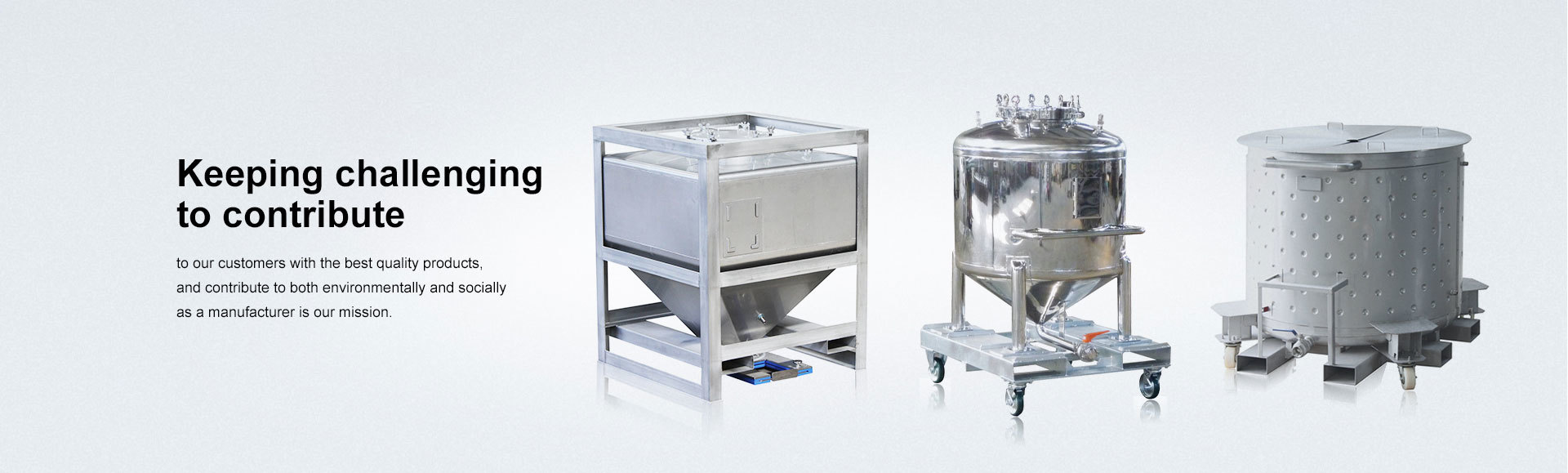
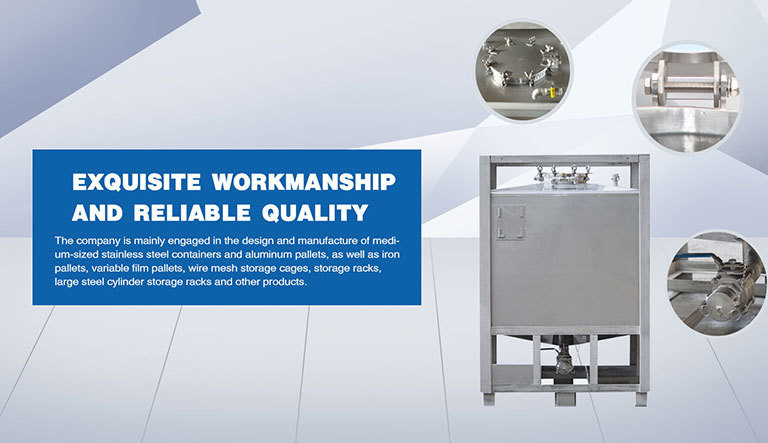
Before we dive into choosing the right size and design, let's first understand what stainless steel intermediate bulk containers are. These containers are large, reusable containers used for storing and transporting liquids, powders, granules, and other materials. They are commonly used in industries such as food and beverage, pharmaceuticals, chemicals, and more.
**Factors to Consider When Choosing the Size**
1. **Storage Capacity**: The first factor to consider is the amount of material you need to store or transport. Calculate the volume of material you will be handling to determine the appropriate size of the container.
2. **Space Constraints**: Consider the available space for storing the container. Make sure the size of the container fits comfortably within your storage area.
3. **Transportation**: If you will be transporting the containers, consider the size limitations of trucks, containers, or other modes of transportation.
4. **Future Expansion**: It's always a good idea to plan for future growth. Consider choosing a slightly larger container if you anticipate an increase in your material handling needs.
**Choosing the Right Design**
1. **Closure Type**: Stainless steel intermediate bulk containers come with different closure types such as screw caps, butterfly valves, and clamp lids. Choose a design that best suits your material handling requirements.
2. **Fittings and Accessories**: Consider the fittings and accessories you may need such as pressure relief valves, dip tubes, and sight glasses. Ensure the design of the container accommodates these accessories.
3. **Material Compatibility**: Some materials may react with certain metals. Make sure the design of the container is compatible with the material you will be storing.
**FAQs**
1. **What are the advantages of stainless steel intermediate bulk containers?**
Stainless steel containers are durable, corrosion-resistant, and easy to clean.
2. **Can stainless steel containers be used for food-grade applications?**
Yes, stainless steel containers are safe for storing food-grade materials.
3. **How do I clean stainless steel containers?**
You can clean stainless steel containers with mild detergent and water.
4. **Are stainless steel containers recyclable?**
Yes, stainless steel is a highly recyclable material.
5. **Can stainless steel containers be customized?**
Yes, you can customize stainless steel containers with additional fittings and accessories.
**Conclusion**
Choosing the right size and design for your stainless steel intermediate bulk containers is essential for efficient material handling. Consider factors such as storage capacity, space constraints, transportation needs, and future expansion when selecting the size. Pay attention to closure types, fittings, accessories, and material compatibility when choosing the design. By following these guidelines, you can ensure that you select the perfect containers for your packaging and printing supplies needs.
By following the tips outlined in this guide, you can make an informed decision when selecting stainless steel intermediate bulk containers for your business. Remember to prioritize your specific requirements and choose a container that meets your unique needs. With the right size and design, you can optimize your material handling processes and ensure the safe and efficient storage and transportation of your materials.
When it comes to packaging and printing supplies, choosing the right size and design for your stainless steel intermediate bulk containers is crucial. These containers are a popular choice for storing and transporting various materials, thanks to their durability and versatility. In this comprehensive guide, we will walk you through the process of selecting the perfect size and design for your specific needs.
**Understanding Stainless Steel Intermediate Bulk Containers**
Before we dive into choosing the right size and design, let's first understand what stainless steel intermediate bulk containers are. These containers are large, reusable containers used for storing and transporting liquids, powders, granules, and other materials. They are commonly used in industries such as food and beverage, pharmaceuticals, chemicals, and more.
**Factors to Consider When Choosing the Size**
1. **Storage Capacity**: The first factor to consider is the amount of material you need to store or transport. Calculate the volume of material you will be handling to determine the appropriate size of the container.
2. **Space Constraints**: Consider the available space for storing the container. Make sure the size of the container fits comfortably within your storage area.
3. **Transportation**: If you will be transporting the containers, consider the size limitations of trucks, containers, or other modes of transportation.
4. **Future Expansion**: It's always a good idea to plan for future growth. Consider choosing a slightly larger container if you anticipate an increase in your material handling needs.
**Choosing the Right Design**
1. **Closure Type**: Stainless steel intermediate bulk containers come with different closure types such as screw caps, butterfly valves, and clamp lids. Choose a design that best suits your material handling requirements.
2. **Fittings and Accessories**: Consider the fittings and accessories you may need such as pressure relief valves, dip tubes, and sight glasses. Ensure the design of the container accommodates these accessories.
3. **Material Compatibility**: Some materials may react with certain metals. Make sure the design of the container is compatible with the material you will be storing.
**FAQs**
1. **What are the advantages of stainless steel intermediate bulk containers?**
Stainless steel containers are durable, corrosion-resistant, and easy to clean.
2. **Can stainless steel containers be used for food-grade applications?**
Yes, stainless steel containers are safe for storing food-grade materials.
3. **How do I clean stainless steel containers?**
You can clean stainless steel containers with mild detergent and water.
4. **Are stainless steel containers recyclable?**
Yes, stainless steel is a highly recyclable material.
5. **Can stainless steel containers be customized?**
Yes, you can customize stainless steel containers with additional fittings and accessories.
**Conclusion**
Choosing the right size and design for your stainless steel intermediate bulk containers is essential for efficient material handling. Consider factors such as storage capacity, space constraints, transportation needs, and future expansion when selecting the size. Pay attention to closure types, fittings, accessories, and material compatibility when choosing the design. By following these guidelines, you can ensure that you select the perfect containers for your packaging and printing supplies needs.
By following the tips outlined in this guide, you can make an informed decision when selecting stainless steel intermediate bulk containers for your business. Remember to prioritize your specific requirements and choose a container that meets your unique needs. With the right size and design, you can optimize your material handling processes and ensure the safe and efficient storage and transportation of your materials.
Keyword:
Stainless Steel Intermediate Bulk Containers
RELATED NEWS

undefined

Rm 102 No.5 Hongya Street Ganjingzi District,Dalian,Liaoning Province,China
LEAVE A MESSAGE


