
30
2024
-
11
Choosing the Right Stainless Steel Bulk Containers for Packaging: A Comprehensive Guide
Choosing the Right Stainless Steel Bulk Containers for Packaging
Stainless steel bulk containers have become essential in various industries for their durability, versatility, and safety. Whether you are in the food industry, pharmaceuticals, or manufacturing, selecting the right bulk container is crucial for effective packaging and storage. This guide will help you navigate the complexities of choosing the right stainless steel bulk containers, ensuring you make informed decisions tailored to your specific needs.
Table of Contents
- 1. Understanding Stainless Steel: An Overview
- 2. Benefits of Stainless Steel Bulk Containers
- 3. Types of Stainless Steel Bulk Containers
- 4. Key Factors to Consider When Choosing Stainless Steel Bulk Containers
- 5. Size and Dimensions: Finding the Right Fit
- 6. Applications of Stainless Steel Bulk Containers
- 7. Maintenance and Care for Stainless Steel Containers
- 8. Frequently Asked Questions
- 9. Conclusion
1. Understanding Stainless Steel: An Overview
Stainless steel is an alloy primarily composed of iron, chromium, and nickel. Its composition provides excellent resistance to rust and corrosion, making it an ideal choice for bulk containers. There are several grades of stainless steel, each offering unique properties suitable for different applications. The most commonly used grades include 304 and 316 stainless steel.
**Grade 304** is widely used in various industries due to its excellent resistance to oxidation and corrosion, making it suitable for food and beverage packaging.
**Grade 316**, on the other hand, contains molybdenum, enhancing its resistance to chlorides and other harsh environments, making it ideal for marine applications and chemical processing.
2. Benefits of Stainless Steel Bulk Containers
The advantages of using stainless steel bulk containers are manifold:
- **Durability**: Stainless steel containers can withstand extreme temperatures and pressures, making them long-lasting.
- **Hygienic**: Non-porous surfaces prevent bacteria and other contaminants from settling, ensuring safe storage for food and pharmaceuticals.
- **Recyclable**: Being environmentally friendly, stainless steel is 100% recyclable, contributing to sustainability.
- **Versatile**: These containers are suitable for a wide range of materials, including liquids, powders, and granules.
3. Types of Stainless Steel Bulk Containers
There are various types of stainless steel bulk containers designed for specific purposes:
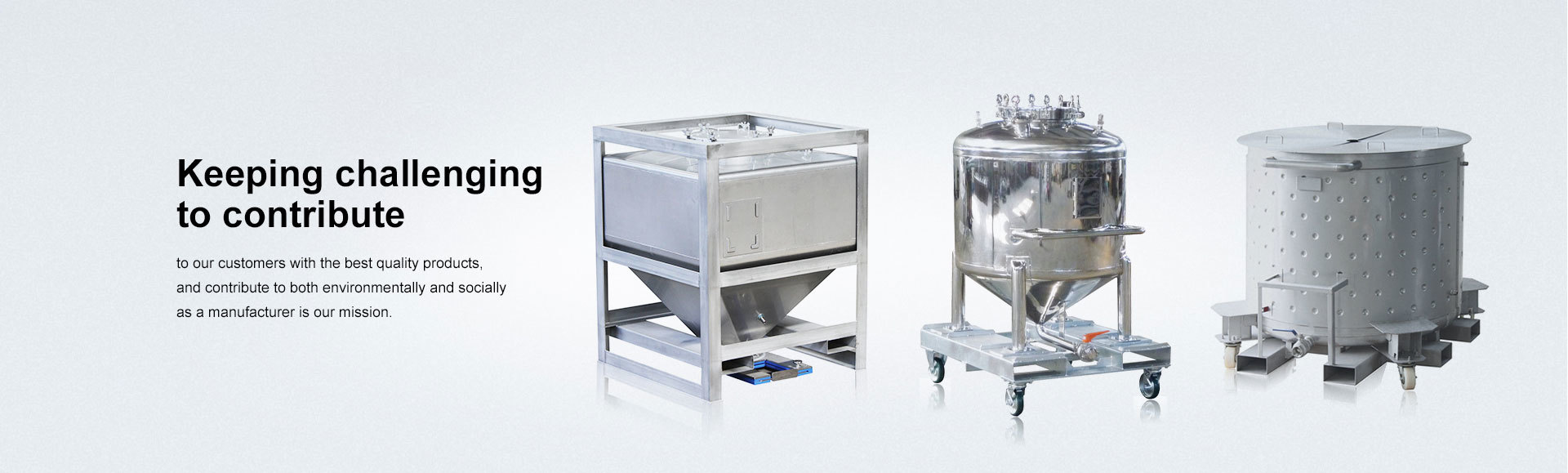
- **Totes**: Large containers suitable for bulk storage and transport.
- **Drums**: Ideal for storing liquids and powders; available in various sizes.
- **Bins**: Used for bulk solid storage, often stackable for efficient space usage.
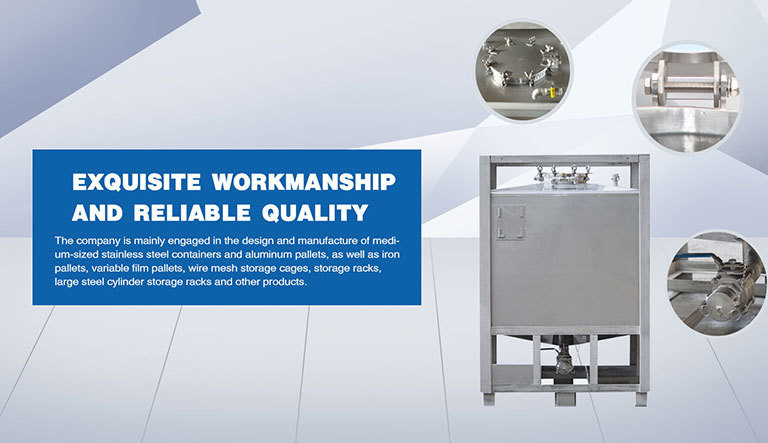
- **IBCs (Intermediate Bulk Containers)**: Large containers designed for transporting and storing liquids.
Understanding the differences between these types will assist you in selecting the right container for your application.
4. Key Factors to Consider When Choosing Stainless Steel Bulk Containers
When selecting stainless steel bulk containers, several factors must be considered:
4.1 Material Specifications
Verify the grade of stainless steel being used. For food applications, Grade 304 is usually sufficient, but for chemical applications, Grade 316 is recommended.
4.2 Size and Capacity
Determine the required size and capacity based on your storage and transport needs. Consider future scalability as well.
4.3 Design Features
Look for features like reinforced corners, smooth surfaces, and ergonomic handles that enhance functionality.
4.4 Compliance and Certification
Ensure the containers meet industry standards and regulations, such as FDA or USDA certifications for food safety.
4.5 Budget Considerations
Cost is always a factor. Balance the quality of the container with your budget to achieve the best value.
5. Size and Dimensions: Finding the Right Fit
Choosing the correct size is crucial for maximizing efficiency. Consider the following:
- **Volume Requirements**: Calculate the volume of the materials you intend to store. Account for potential expansion or additional storage needs.
- **Available Space**: Measure your storage area to ensure that the chosen containers will fit comfortably.
- **Stackability**: For limited spaces, consider stackable designs that optimize vertical storage.
6. Applications of Stainless Steel Bulk Containers
Stainless steel bulk containers find applications across various industries, including:
- **Food and Beverage**: Ideal for storing grains, liquids, and other food products.
- **Pharmaceuticals**: Used for safely transporting and storing chemicals and other sensitive materials.
- **Manufacturing**: Suitable for storing raw materials and finished products.
Understanding the specific application will guide you in selecting the right container.
7. Maintenance and Care for Stainless Steel Containers
To ensure the longevity of your stainless steel bulk containers, follow these maintenance tips:
7.1 Regular Cleaning
Use a mild detergent and water to clean the containers regularly. Avoid using abrasive materials that can scratch the surface.
7.2 Inspect for Damage
Periodically check for dents, rust, or other signs of wear and tear. Address any issues promptly to prevent further damage.
7.3 Proper Storage
Store containers in a dry, cool place to avoid exposure to corrosive elements.
8. Frequently Asked Questions
8.1 What is the difference between 304 and 316 stainless steel?
Grade 304 is suitable for most applications, while Grade 316 offers added corrosion resistance due to its molybdenum content, making it ideal for more demanding environments.
8.2 Are stainless steel bulk containers safe for food storage?
Yes, stainless steel bulk containers are safe for food storage as long as they are made from food-grade stainless steel.
8.3 Can stainless steel containers be recycled?
Absolutely! Stainless steel is highly recyclable, making it an environmentally friendly choice.
8.4 How do I choose the right size container?
Consider the volume of the materials you need to store and the available space in your facility to select the appropriate size.
8.5 What maintenance is required for stainless steel containers?
Regular cleaning and inspections are essential to maintain the integrity and longevity of stainless steel containers.
9. Conclusion
Choosing the right stainless steel bulk containers for packaging is a significant decision that can impact your business operations. By understanding the various types of containers, benefits, and key factors to consider, you can make an informed choice that meets your specific needs. Always prioritize quality, compliance, and maintenance to ensure the containers serve their purpose effectively. With the right selection, your packaging process can become more efficient, sustainable, and safe.
Keyword:
Stainless Steel Bulk Containers
RELATED NEWS

undefined

Rm 102 No.5 Hongya Street Ganjingzi District,Dalian,Liaoning Province,China
LEAVE A MESSAGE


