
06
2024
-
12
Optimizing Packaging Workflow with Stainless Steel Intermediate Bulk Containers
Optimizing Packaging Workflow with Stainless Steel Intermediate Bulk Containers
Table of Contents
- 1. Introduction to Stainless Steel Intermediate Bulk Containers
- 2. Key Benefits of Using Stainless Steel IBCs
- 3. Applications of Stainless Steel Intermediate Bulk Containers
- 4. Design Features of Stainless Steel IBCs
- 5. How Stainless Steel IBCs Optimize Packaging Workflow
- 6. Sustainability Benefits of Using Steel IBCs
- 7. Best Practices for Using Stainless Steel IBCs
- 8. Frequently Asked Questions (FAQs)
- 9. Conclusion
1. Introduction to Stainless Steel Intermediate Bulk Containers
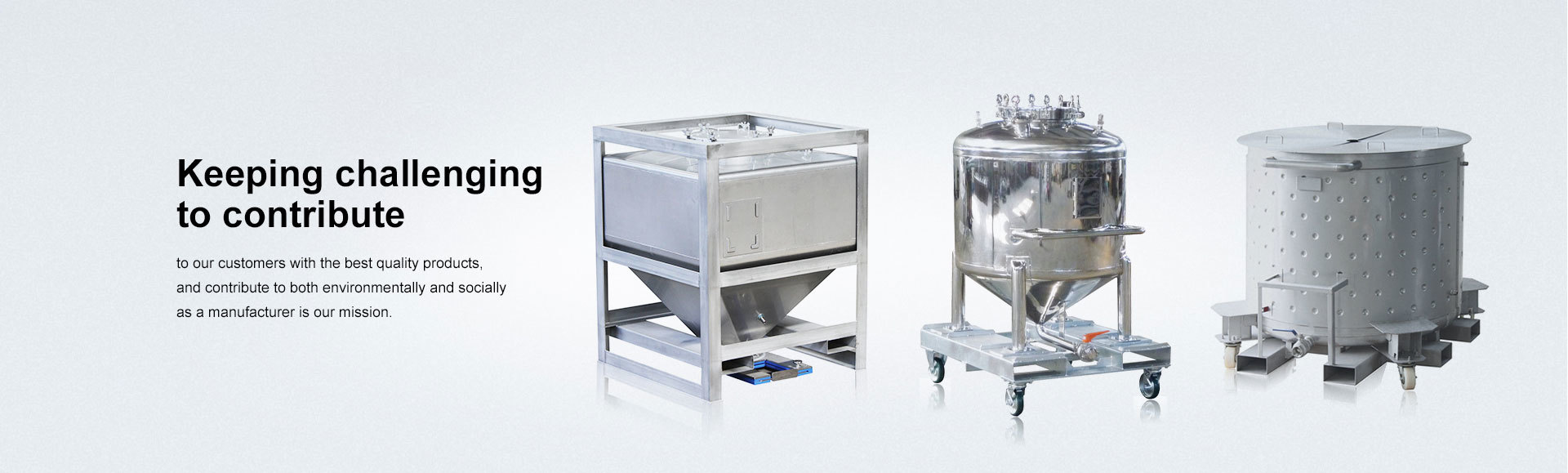
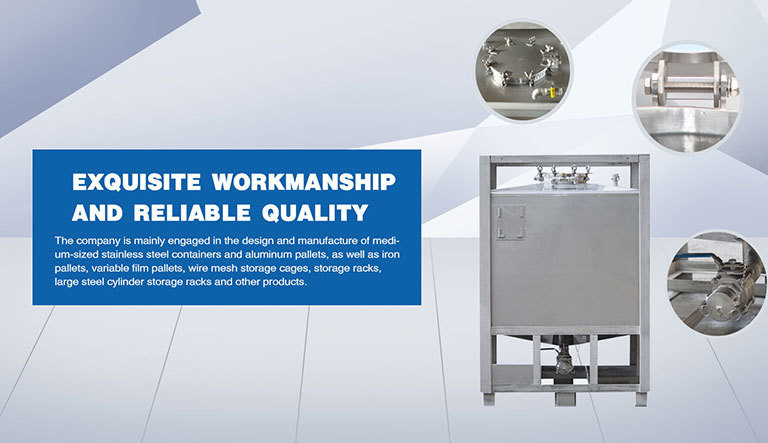
In today’s fast-paced manufacturing and distribution landscape, achieving efficiency in packaging workflows is paramount. **Stainless steel intermediate bulk containers (IBCs)** have emerged as a critical component in optimizing these processes. Designed for bulk storage and transport, IBCs offer robustness, versatility, and safety, making them an ideal choice for various industries, including food and beverage, pharmaceuticals, and chemicals. This article delves into the substantial advantages of utilizing stainless steel IBCs, their applications, and best practices for their use, ultimately guiding you toward a more optimized packaging workflow.
2. Key Benefits of Using Stainless Steel IBCs
Stainless steel IBCs come with a multitude of benefits that significantly enhance packaging workflows. Below are some key advantages that underscore their importance:
2.1 Durability and Strength
Stainless steel is renowned for its strength and durability, making it an excellent material for IBCs. Unlike plastic or other materials, stainless steel can withstand extreme temperatures, pressures, and harsh chemicals, ensuring long-term use without compromising structural integrity.
2.2 Hygiene and Safety
In industries such as food and pharmaceuticals, hygiene is non-negotiable. Stainless steel IBCs are easy to clean and sanitize, reducing the risk of contamination. Additionally, they provide a safe storage option due to their resistance to rust and corrosion.
2.3 Cost-Effectiveness
While the initial investment in stainless steel IBCs may be higher than other materials, their longevity and reusability lead to significant cost savings over time. Businesses benefit from less frequent replacements and reduced cleaning and maintenance costs.
2.4 Versatility
These containers are versatile and can hold various substances, from liquids to solids. Their adaptable nature allows industries to use them for multiple applications, ensuring efficient inventory management.
2.5 Environmental Benefits
Stainless steel is fully recyclable, contributing to sustainability efforts. By using stainless steel IBCs, companies can reduce their environmental footprint and promote a greener packaging solution.
3. Applications of Stainless Steel Intermediate Bulk Containers
Stainless steel IBCs are utilized across diverse industries due to their adaptability. Here are some notable applications:
3.1 Food and Beverage Industry
In the food and beverage sector, stainless steel IBCs are used for transporting ingredients, such as oils, syrups, and additives. Their easy-to-clean surfaces and resistance to corrosion make them ideal for maintaining food safety standards.
3.2 Pharmaceutical and Chemical Industries
These containers play a crucial role in the pharmaceutical industry, storing active ingredients and solvents. The chemical sector also benefits from stainless steel IBCs for shipping hazardous materials safely.
3.3 Agriculture and Horticulture
In agriculture, IBCs are often employed for transporting fertilizers and pesticides. Their sturdy design ensures safe handling and minimizes spills during transit.
4. Design Features of Stainless Steel IBCs
Understanding the design features of stainless steel IBCs can help you select the right container for your needs:
4.1 Size and Capacity Options
Stainless steel IBCs come in various sizes and capacities, typically ranging from 275 gallons to over 1,000 gallons. This flexibility allows businesses to choose containers that suit their specific requirements.
4.2 Stackability
Many stainless steel IBCs are designed to be stackable, maximizing space utilization in warehouses and during transport. This feature is essential for optimizing logistics and reducing shipping costs.
4.3 Integrated Manifolds and Valves
Most stainless steel IBCs are equipped with integrated manifolds and valves that allow for easy draining and filling. This design enhances efficiency during the packaging process.
5. How Stainless Steel IBCs Optimize Packaging Workflow
Implementing stainless steel IBCs in your packaging workflow can lead to significant improvements:
5.1 Streamlined Processes
By utilizing IBCs, companies can streamline their packaging and distribution processes. Their design allows for faster filling and emptying, reducing labor costs and time.
5.2 Improved Inventory Management
Stainless steel IBCs offer better visibility of inventory levels. Their standardized sizes make it easier to track and manage stocks, leading to enhanced operational efficiency.
5.3 Enhanced Safety Measures
The robust construction of stainless steel IBCs minimizes the risk of spills and accidents during transport. This attention to safety not only protects the product but also safeguards employees and the environment.
6. Sustainability Benefits of Using Steel IBCs
In an era focused on sustainability, stainless steel IBCs significantly contribute to eco-friendly practices:
6.1 Long Lifecycle
Stainless steel IBCs have a long lifecycle due to their durability, reducing the need for frequent replacements and, consequently, waste.
6.2 Recyclability
At the end of their lifespan, stainless steel IBCs can be recycled, making them an environmentally friendly choice. This aspect aligns with modern sustainability goals and practices.
6.3 Reduced Carbon Footprint
By streamlining the packaging workflow and minimizing waste, businesses can lower their carbon footprint. The use of stainless steel IBCs supports corporate social responsibility initiatives and enhances brand reputation.
7. Best Practices for Using Stainless Steel IBCs
To maximize the benefits of stainless steel IBCs, consider implementing the following best practices:
7.1 Regular Maintenance and Inspection
Conduct routine inspections and maintenance to ensure the integrity and cleanliness of IBCs. This practice extends the lifecycle of the containers and maintains safety standards.
7.2 Proper Training for Employees
Train employees on the effective use and handling of stainless steel IBCs. Proper training reduces the risk of accidents and ensures efficient operations.
7.3 Optimize Storage Conditions
Store IBCs in a clean and dry environment to prevent contamination and prolong their lifespan. Proper stacking and organization can also make retrieval easier.
7.4 Monitor Inventory Levels
Keep track of the inventory levels of stainless steel IBCs to avoid shortages and ensure adequate supply for production needs. This proactive approach enhances workflow efficiency.
8. Frequently Asked Questions (FAQs)
8.1 What are the standard sizes of stainless steel IBCs?
Standard sizes typically range from 275 to 1,000 gallons, with various configurations available for specific applications.
8.2 How do I clean stainless steel IBCs?
Cleaning involves rinsing the container with water and using suitable cleaning agents to remove residues. It's essential to follow proper cleaning protocols to maintain hygiene.
8.3 Can stainless steel IBCs be used for hazardous materials?
Yes, stainless steel IBCs are ideal for transporting hazardous materials due to their durability and resistance to corrosion.
8.4 Are stainless steel IBCs stackable?
Yes, many stainless steel IBCs are stackable, allowing for efficient space utilization in storage and transport.
8.5 What is the lifespan of stainless steel IBCs?
The lifespan can exceed 20 years with proper maintenance and care, making them a cost-effective storage solution.
9. Conclusion
Stainless steel intermediate bulk containers play a pivotal role in optimizing packaging workflows across various industries. Their durability, versatility, and safety features make them a superior choice for businesses aiming to enhance efficiency and sustainability. By investing in stainless steel IBCs, companies can streamline their operations, reduce costs, and contribute to environmental goals. Adopting best practices for their use will further solidify their position as a key component in modern packaging strategies.
Keyword:
Stainless Steel Intermediate Bulk Containers
RELATED NEWS

undefined

Rm 102 No.5 Hongya Street Ganjingzi District,Dalian,Liaoning Province,China
LEAVE A MESSAGE


