

14
2024
-
02
Maximizing Efficiency: How to Optimize Fuel Storage and Transportation
Table of Contents:
1. Introduction
2. Importance of Efficient Fuel Storage and Transportation
3. Fuel Storage Optimization Strategies
3.1. Choosing the Right Storage Containers
3.2. Implementing Effective Inventory Management Systems
3.3. Ensuring Proper Maintenance and Safety Measures
4. Transportation Logistics Optimization
4.1. Selecting the Right Transportation Method
4.2. Utilizing Advanced Route Planning and Tracking Systems
4.3. Streamlining Loading and Unloading Processes
5. Industry Trends and Innovations
5.1. Introduction of Smart Fuel Storage Solutions
5.2. Integration of IoT in Fuel Transportation
5.3. Green Initiatives for Sustainable Fuel Storage and Transportation
6. Frequently Asked Questions (FAQs)
7. Conclusion
Maximizing efficiency is crucial for businesses operating in the fuel industry. In this article, we will discuss effective strategies to optimize fuel storage and transportation, enabling you to reduce costs, improve productivity, and stay ahead of the competition. By implementing these best practices and staying updated with industry trends, you can achieve greater success in the ever-evolving fuel market.
Efficient fuel storage and transportation play a pivotal role in the success of any business involved in the fuel industry. Inadequate storage facilities or inefficient transportation processes can lead to significant financial losses and operational disruptions. Optimizing these aspects ensures that fuel is stored safely, transported securely, and delivered in a timely manner to meet customer demands. By prioritizing efficiency, you can minimize costs, reduce wastage, and maintain a competitive edge in the market.
Efficient fuel storage starts with selecting the right storage containers, implementing effective inventory management systems, and ensuring proper maintenance and safety measures.
Selecting the appropriate storage containers is essential for optimizing fuel storage. Consider factors such as capacity, durability, and compatibility with the type of fuel you handle. It is crucial to invest in high-quality containers that meet safety standards and prevent leakage or contamination.
Efficient inventory management is crucial for avoiding fuel shortages or excesses. Utilize advanced software systems that allow real-time monitoring of fuel levels, automatic replenishment, and accurate forecasting. This helps ensure that you maintain optimal inventory levels, minimize the risk of running out of fuel, and avoid unnecessary expenses.
Regular maintenance and adherence to safety protocols are essential for optimizing fuel storage. Conduct routine inspections, perform preventive maintenance on storage containers, and implement rigorous safety measures to prevent accidents and mitigate risks. Strict compliance with industry regulations ensures the safety of personnel, facilities, and the environment.
Efficient transportation logistics is crucial for minimizing fuel transportation costs and ensuring timely deliveries.
Choosing the most suitable transportation method is vital to optimize fuel transportation. Evaluate factors such as distance, volume, and urgency when deciding between road, rail, sea, or air transportation. Each method has its own advantages and disadvantages, and selecting the right one can significantly impact costs and delivery efficiency.
Utilize advanced route planning and tracking systems to optimize fuel transportation logistics. These systems provide real-time data on traffic conditions, weather updates, and alternative routes. By choosing the most efficient routes and adapting to changes in real-time, you can minimize fuel consumption, reduce delivery time, and enhance overall transportation efficiency.
Streamlining the loading and unloading processes is essential for minimizing fuel transportation delays. Invest in efficient loading and unloading equipment, train personnel on best practices, and implement standardized procedures. By reducing waiting times and optimizing the flow of operations, you can enhance transportation efficiency and customer satisfaction.
Keeping up with industry trends and embracing innovations is vital for staying ahead in the fuel industry.
The introduction of smart fuel storage solutions has revolutionized the industry. These solutions utilize IoT sensors and advanced monitoring systems to provide real-time data on fuel levels, temperature, and other crucial parameters. By leveraging this technology, businesses can optimize inventory management, detect leaks or theft, and improve overall efficiency.
The integration of IoT (Internet of Things) in fuel transportation allows for seamless tracking and monitoring of fuel shipments. IoT devices installed in vehicles provide real-time data on location, fuel consumption, and vehicle conditions. This data enables better decision-making, efficient route planning, and enhanced security during transportation.
The fuel industry is witnessing a growing emphasis on green initiatives for sustainable storage and transportation. Businesses are adopting eco-friendly practices such as using renewable energy sources, reducing carbon emissions, and implementing waste management strategies. By prioritizing sustainability, businesses can improve their brand image, meet evolving customer expectations, and contribute to a greener future.
Q1: What are the key factors to consider when choosing fuel storage containers?
A1: When choosing fuel storage containers, consider factors such as capacity, durability, and compatibility with the type of fuel being stored. It is crucial to invest in high-quality containers that meet safety standards and prevent leakage or contamination.
Q2: How can I optimize fuel transportation costs?
A2: To optimize fuel transportation costs, consider factors such as distance, volume, and urgency when selecting the transportation method. Utilize advanced route planning and tracking systems to choose the most efficient routes and adapt to real-time changes. Streamline loading and unloading processes to reduce waiting times and enhance transportation efficiency.
Q3: What are some green initiatives in the fuel industry?
A3: Green initiatives in the fuel industry include using renewable energy sources, reducing carbon emissions, and implementing waste management strategies. These initiatives demonstrate a commitment to sustainability, improve brand image, and meet evolving customer expectations.
Efficient fuel storage and transportation are essential for maximizing productivity and minimizing costs in the fuel industry. By implementing the strategies discussed in this article, such as choosing the right storage containers, implementing effective inventory management systems, optimizing transportation logistics, and staying updated with industry trends, you can gain a competitive advantage and achieve greater success. Remember to embrace technological advancements and green initiatives to stay ahead in this ever-evolving industry.
1. Introduction
2. Importance of Efficient Fuel Storage and Transportation
3. Fuel Storage Optimization Strategies
3.1. Choosing the Right Storage Containers
3.2. Implementing Effective Inventory Management Systems
3.3. Ensuring Proper Maintenance and Safety Measures
4. Transportation Logistics Optimization
4.1. Selecting the Right Transportation Method
4.2. Utilizing Advanced Route Planning and Tracking Systems
4.3. Streamlining Loading and Unloading Processes
5. Industry Trends and Innovations
5.1. Introduction of Smart Fuel Storage Solutions
5.2. Integration of IoT in Fuel Transportation
5.3. Green Initiatives for Sustainable Fuel Storage and Transportation
6. Frequently Asked Questions (FAQs)
7. Conclusion
1. Introduction
Maximizing efficiency is crucial for businesses operating in the fuel industry. In this article, we will discuss effective strategies to optimize fuel storage and transportation, enabling you to reduce costs, improve productivity, and stay ahead of the competition. By implementing these best practices and staying updated with industry trends, you can achieve greater success in the ever-evolving fuel market.
2. Importance of Efficient Fuel Storage and Transportation
Efficient fuel storage and transportation play a pivotal role in the success of any business involved in the fuel industry. Inadequate storage facilities or inefficient transportation processes can lead to significant financial losses and operational disruptions. Optimizing these aspects ensures that fuel is stored safely, transported securely, and delivered in a timely manner to meet customer demands. By prioritizing efficiency, you can minimize costs, reduce wastage, and maintain a competitive edge in the market.
3. Fuel Storage Optimization Strategies
Efficient fuel storage starts with selecting the right storage containers, implementing effective inventory management systems, and ensuring proper maintenance and safety measures.
3.1. Choosing the Right Storage Containers
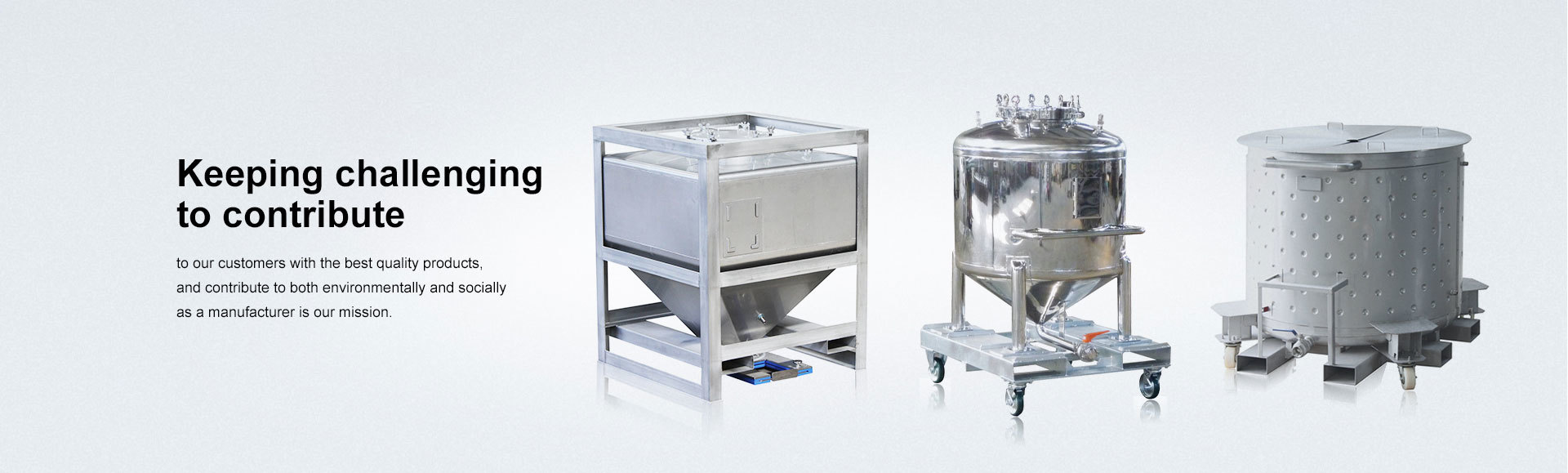
Selecting the appropriate storage containers is essential for optimizing fuel storage. Consider factors such as capacity, durability, and compatibility with the type of fuel you handle. It is crucial to invest in high-quality containers that meet safety standards and prevent leakage or contamination.
3.2. Implementing Effective Inventory Management Systems
Efficient inventory management is crucial for avoiding fuel shortages or excesses. Utilize advanced software systems that allow real-time monitoring of fuel levels, automatic replenishment, and accurate forecasting. This helps ensure that you maintain optimal inventory levels, minimize the risk of running out of fuel, and avoid unnecessary expenses.
3.3. Ensuring Proper Maintenance and Safety Measures
Regular maintenance and adherence to safety protocols are essential for optimizing fuel storage. Conduct routine inspections, perform preventive maintenance on storage containers, and implement rigorous safety measures to prevent accidents and mitigate risks. Strict compliance with industry regulations ensures the safety of personnel, facilities, and the environment.
4. Transportation Logistics Optimization
Efficient transportation logistics is crucial for minimizing fuel transportation costs and ensuring timely deliveries.
4.1. Selecting the Right Transportation Method
Choosing the most suitable transportation method is vital to optimize fuel transportation. Evaluate factors such as distance, volume, and urgency when deciding between road, rail, sea, or air transportation. Each method has its own advantages and disadvantages, and selecting the right one can significantly impact costs and delivery efficiency.
4.2. Utilizing Advanced Route Planning and Tracking Systems
Utilize advanced route planning and tracking systems to optimize fuel transportation logistics. These systems provide real-time data on traffic conditions, weather updates, and alternative routes. By choosing the most efficient routes and adapting to changes in real-time, you can minimize fuel consumption, reduce delivery time, and enhance overall transportation efficiency.
4.3. Streamlining Loading and Unloading Processes
Streamlining the loading and unloading processes is essential for minimizing fuel transportation delays. Invest in efficient loading and unloading equipment, train personnel on best practices, and implement standardized procedures. By reducing waiting times and optimizing the flow of operations, you can enhance transportation efficiency and customer satisfaction.
5. Industry Trends and Innovations
Keeping up with industry trends and embracing innovations is vital for staying ahead in the fuel industry.
5.1. Introduction of Smart Fuel Storage Solutions
The introduction of smart fuel storage solutions has revolutionized the industry. These solutions utilize IoT sensors and advanced monitoring systems to provide real-time data on fuel levels, temperature, and other crucial parameters. By leveraging this technology, businesses can optimize inventory management, detect leaks or theft, and improve overall efficiency.
5.2. Integration of IoT in Fuel Transportation
The integration of IoT (Internet of Things) in fuel transportation allows for seamless tracking and monitoring of fuel shipments. IoT devices installed in vehicles provide real-time data on location, fuel consumption, and vehicle conditions. This data enables better decision-making, efficient route planning, and enhanced security during transportation.
5.3. Green Initiatives for Sustainable Fuel Storage and Transportation
The fuel industry is witnessing a growing emphasis on green initiatives for sustainable storage and transportation. Businesses are adopting eco-friendly practices such as using renewable energy sources, reducing carbon emissions, and implementing waste management strategies. By prioritizing sustainability, businesses can improve their brand image, meet evolving customer expectations, and contribute to a greener future.
6. Frequently Asked Questions (FAQs)
Q1: What are the key factors to consider when choosing fuel storage containers?
A1: When choosing fuel storage containers, consider factors such as capacity, durability, and compatibility with the type of fuel being stored. It is crucial to invest in high-quality containers that meet safety standards and prevent leakage or contamination.
Q2: How can I optimize fuel transportation costs?
A2: To optimize fuel transportation costs, consider factors such as distance, volume, and urgency when selecting the transportation method. Utilize advanced route planning and tracking systems to choose the most efficient routes and adapt to real-time changes. Streamline loading and unloading processes to reduce waiting times and enhance transportation efficiency.
Q3: What are some green initiatives in the fuel industry?
A3: Green initiatives in the fuel industry include using renewable energy sources, reducing carbon emissions, and implementing waste management strategies. These initiatives demonstrate a commitment to sustainability, improve brand image, and meet evolving customer expectations.
7. Conclusion
Efficient fuel storage and transportation are essential for maximizing productivity and minimizing costs in the fuel industry. By implementing the strategies discussed in this article, such as choosing the right storage containers, implementing effective inventory management systems, optimizing transportation logistics, and staying updated with industry trends, you can gain a competitive advantage and achieve greater success. Remember to embrace technological advancements and green initiatives to stay ahead in this ever-evolving industry.
Keyword:
fuel storage and transportation tank
RELATED NEWS

undefined

Rm 102 No.5 Hongya Street Ganjingzi District,Dalian,Liaoning Province,China
LEAVE A MESSAGE


