
14
2024
-
02
Fuel Storage and Transportation Tanks: A Comprehensive Guide for Packaging and Printing Professionals
Fuel storage and transportation tanks play a crucial role in the packaging and printing industry, especially for professionals dealing with metal packaging containers. This comprehensive guide aims to provide practical insights and valuable knowledge related to these tanks, allowing packaging and printing professionals to make informed decisions.
1. Understanding Fuel Storage and Transportation Tanks
Fuel storage and transportation tanks are specialized containers designed to store and transport various types of fuels, including gasoline, diesel, and oil. These tanks ensure safe handling, storage, and transportation of flammable liquids, making them essential for industries that rely on fuel for their operations.
2. Types of Fuel Storage and Transportation Tanks
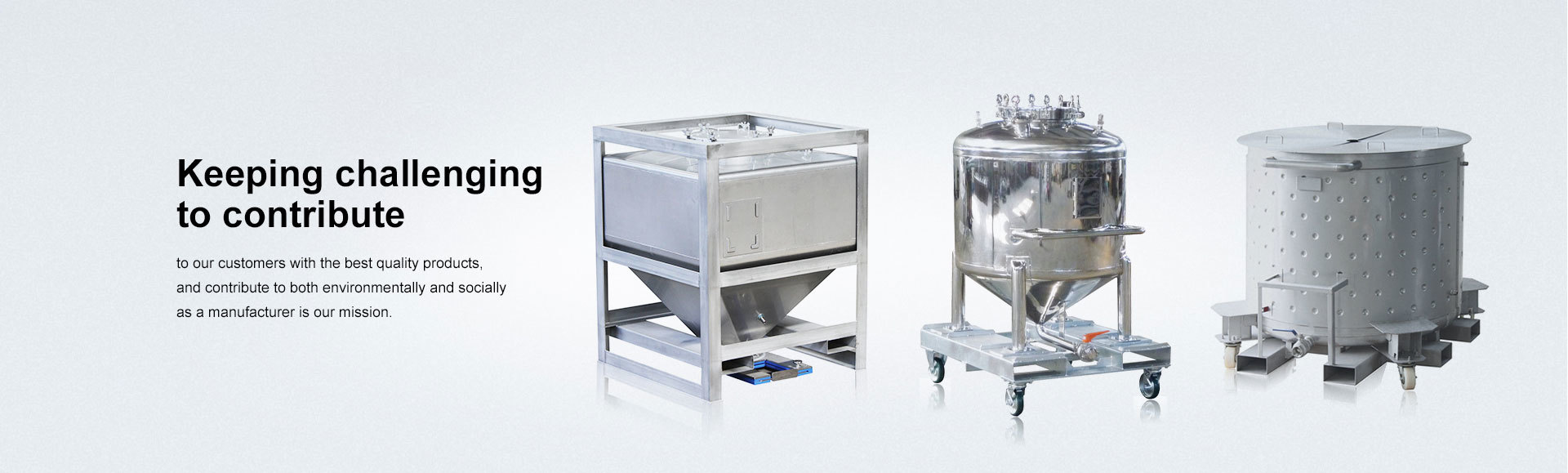
There are several types of fuel storage and transportation tanks available in the market. Common options include above-ground storage tanks (ASTs), underground storage tanks (USTs), mobile fuel tanks, and intermediate bulk containers (IBCs). Each type has its own advantages and specific applications, depending on the industry's requirements.
3. Safety Regulations and Compliance
Due to the hazardous nature of fuels, strict safety regulations and compliance standards govern the design, manufacturing, installation, and usage of fuel storage and transportation tanks. It is crucial for packaging and printing professionals to stay updated with these regulations to ensure compliance and minimize the risk of accidents or environmental hazards.
4. Tank Material and Construction
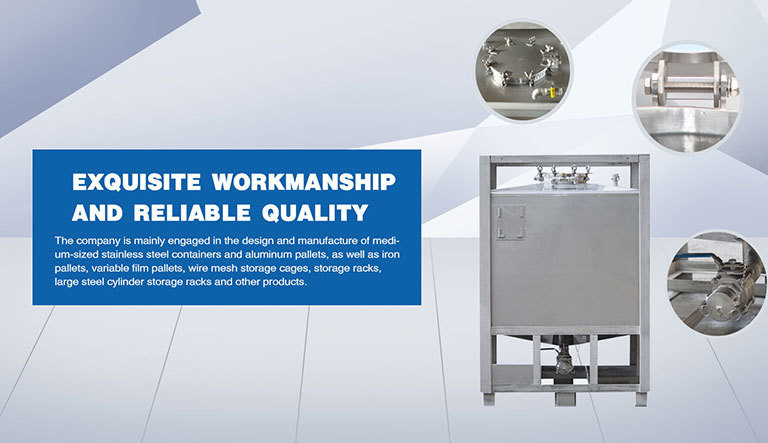
Fuel storage and transportation tanks are typically made from materials such as steel or aluminum, ensuring durability and resistance to corrosion. The tanks undergo rigorous quality control measures during fabrication to meet industry standards and ensure the safe storage and transportation of fuel without any leaks or spillages.
5. Maintenance and Inspection
Regular maintenance and inspection are essential to ensure the safe and efficient performance of fuel storage and transportation tanks. Professionals in the packaging and printing industry must adhere to maintenance schedules, conduct routine inspections, and address any issues promptly to prevent potential risks or disruptions in their operations.
6. Environmental Considerations
Environmental protection is of utmost importance when dealing with fuel storage and transportation tanks. Packaging and printing professionals should prioritize implementing measures to prevent fuel leakage, spillage, or contamination. This includes proper installation, regular monitoring, and prompt response to any potential risks or incidents.
7. Training and Certification
Professionals involved in the handling, storage, and transportation of fuel should receive appropriate training and certification. This ensures they possess the necessary knowledge and skills to operate fuel storage and transportation tanks safely. Training programs cover topics such as tank operation, safety protocols, emergency response, and environmental protection.
In conclusion, fuel storage and transportation tanks are vital components in the packaging and printing industry. Understanding their types, safety regulations, construction, maintenance, and environmental considerations is essential for professionals in this field. By staying informed and adhering to industry standards, packaging and printing professionals can ensure the safe and efficient handling of fuel, contributing to the success of their operations.
1. Understanding Fuel Storage and Transportation Tanks
Fuel storage and transportation tanks are specialized containers designed to store and transport various types of fuels, including gasoline, diesel, and oil. These tanks ensure safe handling, storage, and transportation of flammable liquids, making them essential for industries that rely on fuel for their operations.
2. Types of Fuel Storage and Transportation Tanks
There are several types of fuel storage and transportation tanks available in the market. Common options include above-ground storage tanks (ASTs), underground storage tanks (USTs), mobile fuel tanks, and intermediate bulk containers (IBCs). Each type has its own advantages and specific applications, depending on the industry's requirements.
3. Safety Regulations and Compliance
Due to the hazardous nature of fuels, strict safety regulations and compliance standards govern the design, manufacturing, installation, and usage of fuel storage and transportation tanks. It is crucial for packaging and printing professionals to stay updated with these regulations to ensure compliance and minimize the risk of accidents or environmental hazards.
4. Tank Material and Construction
Fuel storage and transportation tanks are typically made from materials such as steel or aluminum, ensuring durability and resistance to corrosion. The tanks undergo rigorous quality control measures during fabrication to meet industry standards and ensure the safe storage and transportation of fuel without any leaks or spillages.
5. Maintenance and Inspection
Regular maintenance and inspection are essential to ensure the safe and efficient performance of fuel storage and transportation tanks. Professionals in the packaging and printing industry must adhere to maintenance schedules, conduct routine inspections, and address any issues promptly to prevent potential risks or disruptions in their operations.
6. Environmental Considerations
Environmental protection is of utmost importance when dealing with fuel storage and transportation tanks. Packaging and printing professionals should prioritize implementing measures to prevent fuel leakage, spillage, or contamination. This includes proper installation, regular monitoring, and prompt response to any potential risks or incidents.
7. Training and Certification
Professionals involved in the handling, storage, and transportation of fuel should receive appropriate training and certification. This ensures they possess the necessary knowledge and skills to operate fuel storage and transportation tanks safely. Training programs cover topics such as tank operation, safety protocols, emergency response, and environmental protection.
In conclusion, fuel storage and transportation tanks are vital components in the packaging and printing industry. Understanding their types, safety regulations, construction, maintenance, and environmental considerations is essential for professionals in this field. By staying informed and adhering to industry standards, packaging and printing professionals can ensure the safe and efficient handling of fuel, contributing to the success of their operations.
Keyword:
fuel storage and transportation tank
RELATED NEWS

undefined

Rm 102 No.5 Hongya Street Ganjingzi District,Dalian,Liaoning Province,China
LEAVE A MESSAGE


